

Achieving Deeper Sleep
As we greet each day ready to engage with one another and learn about the world all around us, an essential element is always a good night's rest! We all probably could benefit from more sleep than we currently receive, or at least more quality hours of sleep. After all, poor sleep is routinely linked to chronic disease. Children require even greater amounts of sleep than their adult counterparts, and for good reason. It is during sleep that growth and repair of the body takes place, and human growth hormone is at its peak. And when we really dig into the anatomy and physiology of sleep, we discover the important role of the natural light and dark cycles. In our Waldorf education, we do our best to lean into the rhythms of nature- and one simple way is prioritizing outdoor exposure during the school day. We are grateful to have Carla Abate, a DWS parent and community member as well as a certified master nutrition therapist, share more below on how this simple element of the Waldorf curriculum may be cultivating healthier kids and how we can all prioritize achieving deeper sleep.
Sleep 101
Phases of Sleep
Sleep takes place in phases, that are not exactly linear. The first, called sleep onset latency, is the period it takes us to go from awake to unconscious, and is normally between 10 and 20 minutes. Next, Non-Rapid Eye Movement (NREM) and Rapid Eye Movement (REM) set in, with rotating, and repeating 90-minute cycles. NREM cycles are longer in the beginning, and slowly become shorter, while REM cycles grow in length of time from the start of sleep until we wake.
Circadian Rhythm
The suprachiasmatic nucleus, a bundle of nerves located within the hypothalamus, is the primary site of our circadian clock. This nucleus is responsible for the regulation of many biological rhythms including wakefulness and sleep, digestion, and body temperature regulation. Located in close proximity to the optic nerve, the suprachiasmatic nucleus receives input from cells of the retina in response to exposure to light and darkness. This in turn activates corresponding hormones.
Hormones
Cortisol
- Our alert/wakeful hormone that is stimulated by light, particularly blue light waves, signaling time to rise and be productive
- Essential to acute stress response-cortisol is released as our body’s normal reaction to stress as part of the fight-or flight
- Anti-inflammatory-manages inflammation caused by physiological stressors
- When chronically activated by chronic stress or poor diet can lead to cortisol resistance and chronic inflammation
Melatonin
- Activated by onset of darkness and continues to be produced throughout the night
- Should be low in the morning and throughout the day
- Is a potent antioxidant especially locally within the brain
- Repressed by artificial light especially toward evening
Human Growth Hormone
- Most active while we sleep
- Responsible for repair and growth of tissues-very active in rapidly growing children
- Builds muscle mass boosting metabolism
Nutrition For Sleep
Protein - provides the essential amino acid tryptophan needed to make both serotonin and melatonin; also provides the amino acid glycine which acts as a neurotransmitter with an inhibitory effect aiding sleep. Nutrient-dense protein options include:
- Nut and seed butters
- Cottage cheese and yogurt-plain, full-fat and organic preferred
- Quality animal proteins-hamburger, rotisserie chicken, nitrate-free lunch meats, low-mercury fish, eggs, collagen powder- Collagen powders can be added as needed to smoothies, oatmeal, soups, etc.
- Legumes-add beans to a quesadilla or use hummus as dips for veggies
Carbohydrates - Late night eating, especially refined carbs, elevate blood sugar too close to sleep, causing a blood sugar crash during sleep that can be disruptive to quality sleep. Aim to stop eating 2 hours before bed or at least limit refined carbs sticking to fresh fruit as an after-dinner treat.
B Vitamins - B6, B12, and Folate especially, are essential to a methylation pathway of which melatonin production is dependent
- Leafy Greens
- Eggs
- Salmon
- Legumes
Vitamin D - Involved in melatonin synthesis. Vitamin D is best absorbed from sun exposure approximately 10-30 minutes a day midday without sunscreen
- Fish
- Egg yolks
- Fortified foods
Magnesium - involved in more than 300 biochemical reactions, this mineral regulates many other important chemicals involved in sleep including melatonin and GABA (a calming neurotransmitter)
- Dark chocolate - unsweetened preferably
- Avocados
- Nuts and seeds
- Leafy greens
Iron - acts as a cofactor to melatonin-essential to melatonin synthesis
- Dark chocolate
- Red meat (in moderation)
- Red kidney beans
- Vitamin C rich foods taken with iron rich foods increase iron absorption
How Much Sleep Do We Need?
- Infants 14-17 hours per day
- Toddlers 11-14 hours a day
- Preschool Age Children 10-13 hours
- School-Age 9-12
- Teens approximately 8-10 hours
- Adults 7+
Sleep Hygiene
There are many lifestyle adjustments that we can make to improve our sleep quantity and quality. Some are more challenging than others, but even the smallest changes can have a very positive impact when applied over time. Below are some considerations:
- Spend more time outside without sunglasses - natural light exposure during the day contributes to melatonin production in the evening to properly prepare us for sleep.
- Minimize or eliminate screens 2 hours prior to sleep - blue light exposure beyond the daylight hours interferes with melatonin release. Blue light blocking glasses can effectively minimize this type of light exposure when screens are unavoidable prior to sleep.
- Aim for complete darkness - we have melatonin receptors throughout the body so light does not only affect receptors in the eyes.
- Turn down the thermostat before sleep - keeping it a little cold at night decreases core body temperature which triggers sleep onset.
- Commit to going to bed before 10pm (8pm or earlier for children) - majority of deep sleep is achieved in first few hours
- Commit to eating meals at regularly scheduled times as much as possible - other rhythms affecting metabolism such as exercise and meal-times influence our circadian rhythm too.
- Stay active - exercise contributes to sleep drive (the body’s natural desire to rest) and helps regulate our core body temperature.
Recap
As we can see, sleep is a very complex process involving both the nervous and endocrine systems. However, many of the lifestyle and dietary adjustments we can make are not that complicated. Most of the nutrients that support sleep play a role in melatonin production and none work in a vacuum; each influencing one another and often derived from the same nourishing foods. Likewise, the habits we form around light exposure can benefit or burden this critical period of rest.
Disordered sleep conditions are on the rise and are likely due, in part, to the synthetic forms of light generated by the relatively recent technological revolution. Plenty of research links poor sleep with negative health outcomes, chronic disease, and mood disorders. If you or your child suffer from disrupted sleep, you may want to consider the help of a professional in order to preserve your long-term health. At the very least, prioritize getting outside in nature. Growing research positively links outdoor exposure not only with sleep, but other health conditions such as gut health as it relates to the microbiome. Don’t underestimate the small changes within your reach!
About Carla Abate
Carla Abate is a family wellness educator and advocate for the importance of nutrition during the perinatal stages. She is a certified master nutrition therapist (MNT) and postpartum doula. Her experience with pregnancy and entry into motherhood helped inspire what she does today. With motherhood came self-growth, inspiration, and courage. It also brought great challenge forcing her to dive deep into her own wellness journey. Today, it’s Carla's mission to help other mothers (and their families) flourish throughout pregnancy and well beyond.
Find out more at rebelrootsnutrition.com or on instagram @rebelrootsnutrition or contact Carla directly at carla@rebelrootsnutrition.com
References
https://www.ncbi.nlm.nih.gov/pmc/articles/PMC3703169/
https://www.ncbi.nlm.nih.gov/pmc/articles/PMC6751071/
https://www.ncbi.nlm.nih.gov/pmc/articles/PMC5703049
https://www.ncbi.nlm.nih.gov/pmc/articles/PMC6332482/
https://www.cdc.gov/sleep/about_sleep/how_much_sleep.html

Waldorf Night School: Spacial Dynamics
Spacial Dynamics with Movement Teacher Charlie Orphanides
Movement is an integral part of Waldorf education. During our March session of Waldorf Night School, Movement Teacher and Therapeutic Movement Specialist Charlie Orphanides will cover “spacial” dynamics. The evening will include presentations of ideas, lots of movement, time for questions, and ample opportunity for connection with one another.
Date: Wednesday, March 8th*
Time: 6-7:30pm MT
Location: DWS Festival Hall
Register to reserve a spot.
*Childcare is available for $7 per child, payable by cash or check made payable to The Denver Waldorf School; ages 3 y.o. and older.
We will explore some of the key concepts and history behind Spacial Dynamics, and discuss the connections between Spacial Dynamics, Anthroposophy, Waldorf Education and Bothmer Gymnastics. The class will then put these concepts into action through movement. We will practice several Spacial Dynamics and Bothmer Gymnastics exercises while exploring an expansive, receptive and available understanding of the self and our relation to others and the world.
About Charlie Orphanides
Truly a mover, Charlie is an integral part of The Denver Waldorf School faculty as the current Movement Teacher and Therapeutic Movement Specialist. He came to our school after teaching at Waldorf schools in Boulder, New York City, and New Hampshire. He has been teaching for a decade, and began his career fortified with an English degree from Lewis and Clark College, a Master of Education degree and Waldorf Teacher Certification from Antioch University—complemented with many trainings in movement, art, and meditation studies. Charlie is also a graduate of a 5-year training program in “Spacial” Dynamics, certified in Bothmer Gymnastics (based on exercises from the first gym teacher at the first Waldorf school), and has been teaching circus for more than 7 years.
Away from the classroom, Charlie’s hobbies include gardening, fixing and building things, running, bicycling, playing with his two sons, reading, writing, studying a variety of healing modalities, and playing guitar and piano (along with anything else with which it’s fun to make music!).
About The Denver Waldorf School
The Denver Waldorf School is an urban pre-K through 12 independent school in Colorado. Founded in 1974 on Rudolf Steiner’s humanitarian curriculum, DWS believes education should foster what it is to be human, cultivate lifelong curiosity, and inspire a love for the world. We are currently enrolling for in-person learning:
Want to learn more about us? Learn more about our in-person and virtual events, read our blog, or take a listen to our podcast.
Register to Reserve a Spot
Virtual Town Hall: February 9, 2022
If you missed the virtual Town Hall hosted by The Denver Waldorf School on February 9, 2022, please watch the recording below. During this event, we heard from DWS Directors Kelly Church, Vernon Dewey, Brie Kaiser, Jen Lamboy, and Laurie Thompson as well as Board of Trustees Co-Chair Ryan Gregory and Operations Manager Christa Gustafson.

Answers to Community Questions
During the virtual Town Hall, we received a couple of questions, answered below by Finance Director Laurie Thompson.
A distinguishing feature of Waldorf education is the depth of our first through eighth curriculum that addresses the educational and developmental needs of the whole child. In addition to their classroom teacher, students have dedicated teachers for handwork, woodwork, choral music, instrumental music, Spanish, physical education and movement. Our high school offers a very low student/teacher ratio, employing teachers with specialized knowledge and experience in the core subject areas and additional adjunct teachers for a wide variety of elective and specialized classes.
As an independent school we provide all administrative and other student support in-house, rather than relying on the larger infrastructure found in a public school system.
We have a comprehensive five year budget that is managed in conjunction with the Finance Committee and the Board of Trustees to ensure that all school wide priorities are balanced. Budgetary priorities are based on our mission, which is the delivery of a robust Waldorf education that meets the criteria of both ACIS (Association of Colorado Independent Schools) and AWSNA (Association of Waldorf Schools of North America) through which we are accredited.
Virtual Q&A on Screenagers Next Chapter (Movie viewing from 2/16 to 3/2)
The Denver Waldorf School Parent Council proudly presents Screenagers NEXT CHAPTER: Uncovering Skills for Stress Resilience
For two weeks starting in February, DWS families can access an exclusive on-demand viewing of this compelling film.
Free Viewing Period: February 16th through March 2nd*
Access Details: denverwaldorf.eventcombo.com
*We’ll follow the screening with a virtual Q&A on the evening of March 2nd. Details below!
About Screenagers NEXT CHAPTER
Filmmaker and physician Dr. Delaney Ruston takes the conversation around screens and teens to the next level with Screenagers NEXT CHAPTER: Uncovering Skills for Stress Resilience—a film that examines the science behind teen’s emotional challenges, the interplay of social media, and most importantly, what can be done in our schools and homes to help them build crucial skills to navigate stress, anxiety, and depression in our digital age
Virtual Q&A on March 2nd
Following the 2-week viewing period, Education Director Vernon Dewey and School Counselor Jenny Thompson will host a live Q&A.
Date: Wednesday, March 2nd
Time: 6:30pm MT
Location: Online via Zoom
Open to all! Please register using the form on this event page to receive Zoom details, and submit questions for Vernon and Jenny ahead of time.
About The Denver Waldorf School
The Denver Waldorf School is an urban pre-K through 12 independent school in Colorado. Founded in 1974 on Rudolf Steiner’s humanitarian curriculum, DWS believes education should foster what it is to be human, cultivate lifelong curiosity, and inspire a love for the world. We are currently enrolling for in-person learning:
Want to learn more about us? Learn more about our in-person and virtual events, read our blog, or take a listen to our podcast.
Virtual Q&A Registration
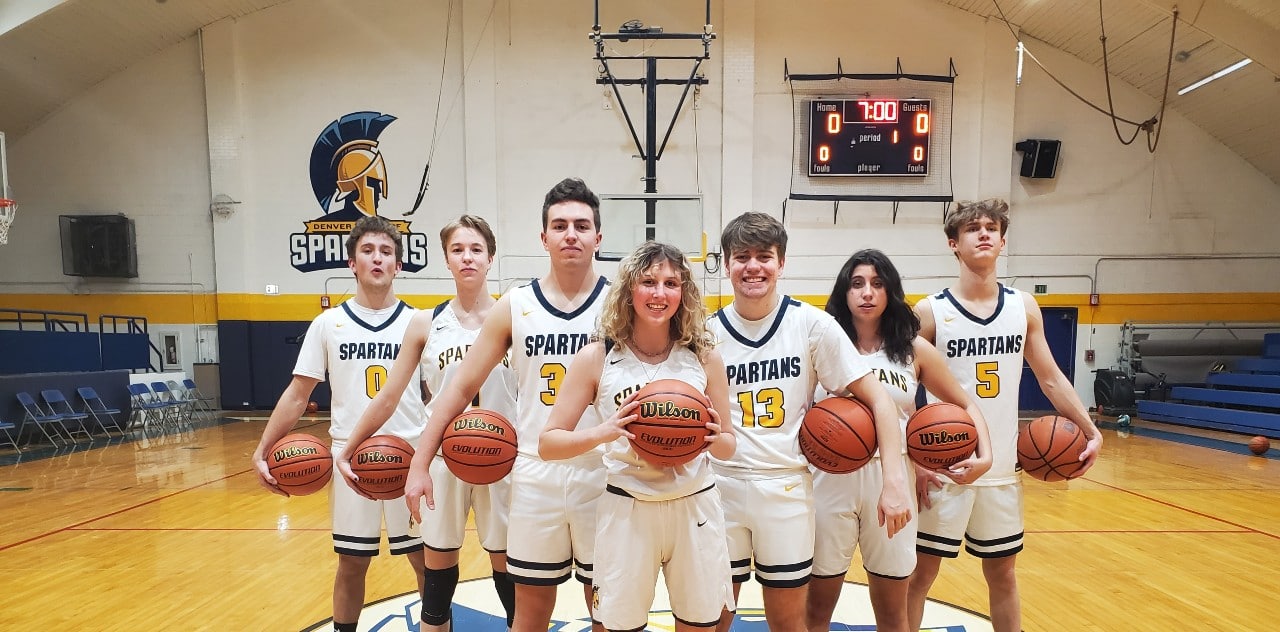
Spartan Senior Night
Celebrating 7 Spartan Seniors on February 14th
It is with gratitude, excitement, and joy that we honor our beloved 12th graders on Senior Night — a DWS tradition taking place during the varsity basketball game versus Mile High Academy on February 14th. About these one-of-a-kind athletes, Coach Quinn reflected the following:
What an amazing group of senior athletes we have this year! In fact, they are the most winningest group to have come through DWS to date! They have put in a lot of time, hard work, and dedication into multiple sports throughout the last four years, helping to make our Spartan Athletics Program an even bigger success! Personally, I'd like to say thank you to them and their families for all of their hard work and support the past four years! Read below to get to know more about these incredible athletes. GO SPARTANS!
Eliza Blanning
Eliza Blanning is a four-year player (three with Denver Waldorf and one at Denver South). A captain every year here at DWS, she has shown great leadership and dedication to the program. The leading scorer on the girls' team all 3 years, but she also does everything a coach could ask for on the court in leading the team rebounding. She blocked shots while also handling the ball a lot for the team.
Stazi Salazar
Stazi Salazar is a three-year player who has been extremely dedicated to the basketball program and has improved tremendously over the past years. She is a hard working and unselfish player who does all the little things a team needs and probably doesn't get the recognition she deserves. We appreciate all she does!
Daisy Macomber
Daisy Macomber is a three-year player who is very committed and has also improved very much over her time on the team. Daisy is tough and scrappy. She will not back down on the court and is a defensive pest. Her shot has really improved, and she always pushes herself and her teammates to be better.
Dylan Quinn
A starter during all four years, Dylan Quinn was also a captain as a Junior and Senior. Dylan finished as the school’s all-time leading scorer with 956 points, and holds the single game points record (39 points in a game). He is the school’s leading 3-pt shooter with 173 made 3’s. Dylan’s commitment to the basketball team and this program has been second to none. He's been our primary point guard and ball handler all four years. Dylan averaged a career high of 17.5 points a game and 33% shooting from 3. Dylan was selected to the 5280 All League 2nd team for the second time (was also an Honorable Mention previously 2 previous times).
Will McHenry
A captain and a starter during all four years on Varsity, Will McHenry finished as the school’s second all-time leading scorer with 919 career points. He is also the school’s leading rebounder with 648 rebounds in his career. Will plays with tremendous heart and energy in every game, and is one of, if not the hardest working players I’ve ever coached. A very efficient scorer inside and out, Will averaged a career high 16.7 points and 13 rebounds per game. Will was selected to the 5280 All League 1st team for the first time (was also 2nd Team and 2x Honorable Mention previously).
Jonah Carr
Jonah Carr is a four-year varsity player who has shown growth every year and has developed into a pillar of our team' success during this amazing 4-year run. Jonah does all of the little things that a coach loves and a player hardly gets credit for. He has always taken on the task of guarding the best "bigs" on the other team and isn't afraid of the challenge. He’s dedicated and has worked extremely hard to become one of the top players in the school program. Jonah averaged a career high of 11.3 points and 5.4 rebounds per game this year. Jonah was selected to 5280 All League 2nd Team (his 1st selection).
Lucas Lewis
Lucas Lewis is a four-year Varsity player who brings a lot of energy and athleticism to our team. He is a versatile player who can score in multiple ways offensively, he's a slasher that can also shoot from the perimeter. Defensively at times, he's been asked to guard the best player on the court inside and out and has locked them down. Lucas has battled through a lot of injuries in his career but has always persevered and found away to get back onto the court to help our team. He’s an exciting player to watch and has improved his scoring average every year over the past 4 years including this year averaging a career best 10.6 points and 5.2 rebounds a game. Lucas was selected as Honorable Mention 5280 All League team member (his 1st Selection).

DWS Town Hall
The Work Ahead
Join us for a virtual Town Hall led by School Director Kelly Church.
Date: Wednesday, February 9th
Time: 6-7pm MT
Location: Online via Zoom
Following Kelly’s overview and presentation on the path forward, you’ll hear from:
- Board of Trustees Co-Chair Ryan Gregory
- Education Director Vernon Dewey
- High School Director Brie Kaiser
- Finance Director Laurie Thompson
- Operations Manager Christa Gustafson
- Marketing Director Jen Lamboy
Zoom Details
Join us online
Join us by phone
Webinar ID: 941 6892 6586
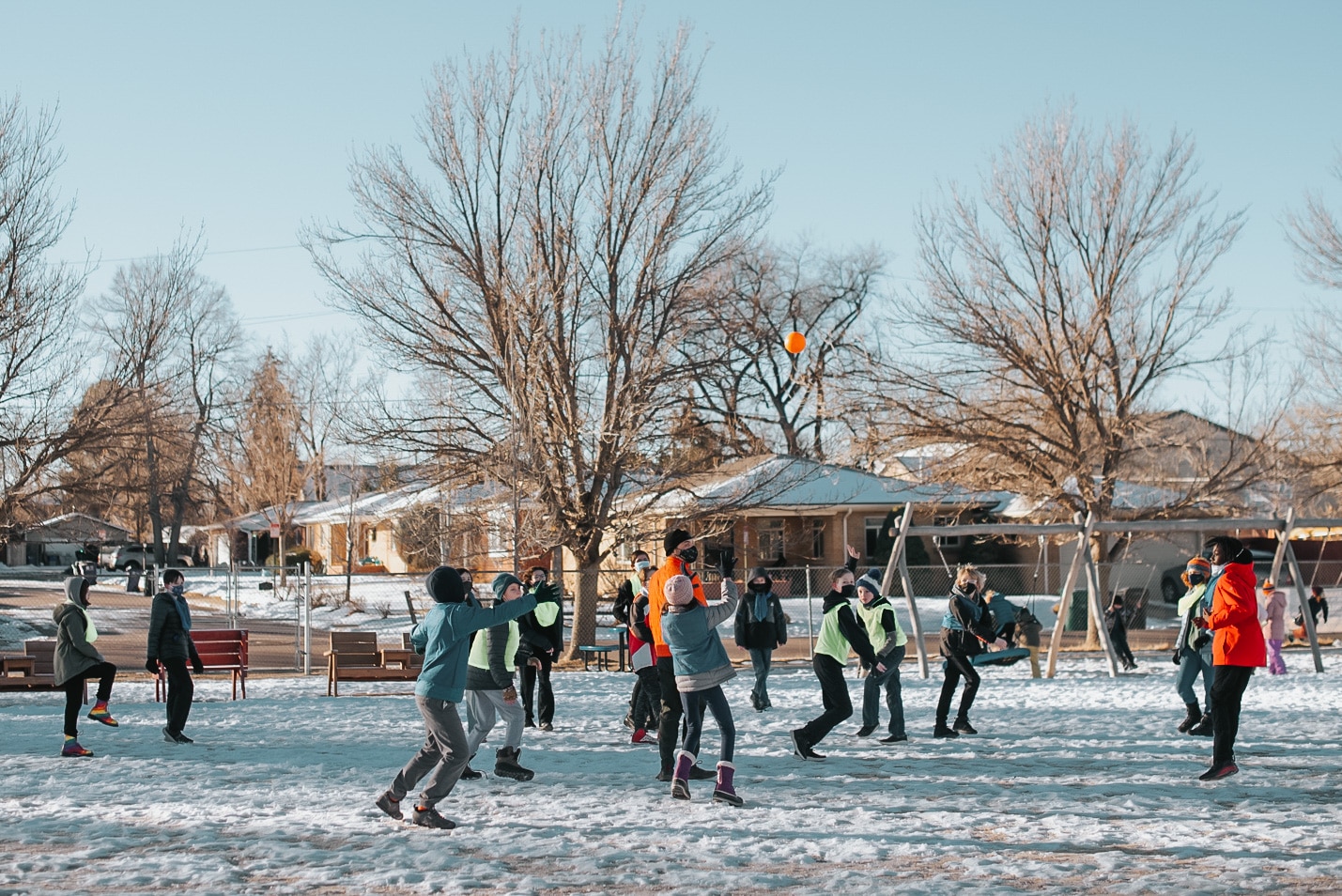
The Importance and Power of Movement
Did you move today? Invariably, the answer to that question is yes. As my students say when I ask them to stand still, “Actually, Mr. Orphanides, we are always moving. My blood is moving, my eyes are moving, I’m breathing, my heart is beating… we actually can’t stand still.” Well, they are right!
And, along with these perpetual and life-supporting movements, we, as human beings, move in many other, sometimes subtle, ways as well. Whether we are sitting or walking, running or performing a skilled task such as typing, shooting a basketball, sustaining a strong Warrior I or walking a tight-wire spanning the towers of Notre Dame, we are engaging muscles, senses, reflexes and movement patterns that we developed largely in our childhood -- and that we need to use and exercise regularly in order to stay healthy, attentive, alert and mobile.
Many of the movements we make in early childhood, such as playing on our tummies as infants, crawling, standing and taking our first steps, lay the foundation for many of our capacities for learning later in life. The “old fashioned” childhood activities of wrestling, spinning, tumbling, rolling down hills, and climbing trees not only create healthy neural pathways for “academic” success, but they also allow us to develop the confidence, self-regulation, decision-making powers and sense of our relationship to other people that are key factors for healthy social development (often called “executive functions”).
In terms of those often imperceptible movements the students mentioned, the movement of our physical bodies also stimulates the healthy circulation of the two major fluids in our body: blood and lymph. In fact, it is said that breathing and the movement of our muscles are what keep the lymph moving through our bodies, a key aspect of our immune system. It is no small wonder, therefore, that we often describe the activity of a graceful athlete or dancer as being “fluid.” We need to move those vital fluids through our body to keep our bodies functioning and to keep our mental and emotional “bodies” in good health as well.
With all this said, there is a growing concern among many people who study movement, as well as educators, parents, doctors and therapists, that we don’t move our bodies enough in today’s world, and this concern is especially pressing for young people. While we cover great distances in our planes, trains and automobiles (and can communicate with someone thousands of miles away instantaneously), we spend an increasing amount of time in front of our screens and behind the wheel of our cars.
Everyone reading this most likely knows everything listed above, and yet, we are all so busy and often over-burdened by our responsibilities in today’s world that we just can’t find the time or energy to move or to help our children move. It can be a struggle to get outside for a run or walk or to get on the treadmill or yoga mat.
If this is indeed a challenge for you, I will offer the same advice I have been given and give to others who are striving to start a meditation practice. 2 minutes. Engage in an intentional movement for 2 minutes each day, and, if you have children, engage them as well. Spin your arms around. High step your legs. Go up on tiptoes ten times. Pushups. Moonwalk. Hip-hop dance moves. It’s a start, and it will grow.
And, hopefully, you will be laughing or at least smiling. There are even studies that show that you can build muscle by imagining yourself moving! Start there if you need to! You could even start right now.
Written by Movement Teacher and Therapeutic Movement Specialist Charlie Orphanides

College Nights: Paying for College
Paying for College
Parents and students are invited to attend the fourth evening of our 6-part College Nights series with DWS College and Post-Secondary Guidance Counselor Laura Shope.
Topic: Paying for College — Ideal for Grades 10, 11, and 12
Date: February 3, 2022
Time: 6:30pm MT
Location: In person at DWS and online via Zoom
Please register once to reserve a seat for all remaining dates.
What You’ll Learn
In this informational session, we will cover the key concepts you need to understand regarding the financial side of paying for college. We will discuss what all the terms mean, how to estimate what the true cost of a particular college or program will be, the timing of the various steps, and what you can do now to prepare. We will also touch on scholarships and alternative pathways to making it all work!
Key takeaways include:
- Understand the terms you will encounter: cost of attendance, estimated family contribution, FAFSA, etc.
- Know how you can estimate what the colleges will expect you can pay
- Identify next steps for your family to prepare
About College Nights
Our monthly College Nights series focuses on different aspects of the college and post-secondary application process. Laura Shope designed each evening to answer questions and support parents and students in the college application process. These meetings are open to all, although probably most useful to the grade listed with each topic.
- October 7th—Application Process 101 (Grades 10 and 11)
- November 4—SAT and ACT (Grades 10 and 11)
- December—No meeting
- January 6—Supporting Your Student through the Process (Grades 10 and 11)
- February 3—Paying for College (Grades 10 , 11, and 12)
- March 3—Making Choices (Grades 10 and 11)
- April 21—College Engagement and Success (Grade 12)
- May 4—Preparing to Apply & Making the Most of Summer (Grade 11)
About Laura Shope
Laura Shope came to DWS in 2021 via the Rudolf Steiner School of Ann Arbor, where she served as the High School Student Support Coordinator and High School Administrator for the past three years, and a parent in the Waldorf community for more than 17 years. She has extensive training in career development and personal coaching, along with having recently completed her Waldorf High School Teacher Training through the Center for Anthroposophy. Her plans for working with our students and faculty include creating a rich program of self-reflection, support, and clarity around the decisions the students make for their plans after high school.
Laura is a passionate artist and works with stone, clay, wood, weaving, and plaster to create abstract forms. She and her husband, Dale Jensen, are outdoor enthusiasts and look forward to exploring all that Colorado has to offer. They have two sons, Wilder and Corbin, who attended Waldorf schools from preschool through grade 12 (Corbin will graduate from RSSAA in 2022).
About The Denver Waldorf High School
The Denver Waldorf High School offers a liberal arts education, consciously aimed to nurture and encourage adolescent ideals. The high school experience aims to balance the students’ academic needs with their longing to find meaning in the world. Scroll down to hear from a few of our faculty members.
Engaging Body, Intellect, and Emotion
At the start of each day, movement helps spark students’ circulation and bring them together. They then engage in a long, uninterrupted seminar (referred to as main lesson in elementary and middle school) to activate their minds, followed by music and elective classes to spark emotional expression. Music classes and elective courses promote the development of healthy emotional expression through creation.
High School Music
Regarding music, all high school students participate in chorus, with the option to participate in either music ensemble or orchestra until their senior year. Students new to DWS and who have not played their instrument before are strongly encouraged to take private lessons.
Hands-On Learning of Real-World Skills
Students apply what they’ve learned theoretically to scenarios in the real world. For example, a study of soil composition could be applied to a chemistry lesson on acids and bases, as well as a close reading of The Grapes of Wrath, and a course in black-and-white photography in which they learn to develop their own film.
Rhythm of Thinking, Feeling, and Willing
Our goal is to expose our high school students to academic wealth, and demonstrate to them that all knowledge is valuable to encourage their pursuit of wisdom throughout life.
The high school curriculum revisits themes and subjects periodically to strengthen functional knowledge. Students cultivate their ability to think critically, organize ideas and information, and clearly present thoughts through an academically challenging mix of math, English, humanities, physics, life sciences, chemistry, world language, practical, industrial and fine arts, chorus, orchestra, drama, and physical education.
About The Denver Waldorf School
The Denver Waldorf School is an urban pre-K through 12 independent school in Colorado. Founded in 1974 on Rudolf Steiner’s humanitarian curriculum, DWS believes education should foster what it is to be human, cultivate lifelong curiosity, and inspire a love for the world. We are currently enrolling for in-person learning:
Want to learn more about us? Schedule an in-person tour of our Denver campus or join us online during our virtual events.