
The Nine-Year Change: A Turning Point in Childhood
At the Denver Waldorf School, human development is at the heart of everything we do. Each stage of childhood brings new capacities, new challenges, and new ways of experiencing the world. One of the most profound developmental shifts we witness in the elementary years is what Waldorf education calls the nine-year change- a moment that quietly but deeply transforms a child’s relationship to themselves and the world around them.
The following blog is based on a podcast with Education Director Charlie Orphanides.
A Child’s First Experience of Separation
Before this stage, children often experience themselves as deeply connected to the world around them. Family, classroom, nature, and community are all felt as extensions of themselves. Around the ages of nine and ten, however, something begins to shift.
Children suddenly become aware of themselves as individuals – separate from others in a new and often startling way.
Ed Director, Charlie, describes this transition as one of the first truly significant inner crises of childhood. It is not a single moment, but rather a developmental process that unfolds over time. Children may become more emotional, critical, sensitive, or withdrawn. Parents and teachers often notice behaviors that seem unfamiliar or confusing.
Yet beneath these outward changes lies something deeply human: the awakening of individuality.
Charlie shared a poem written by a nine-year-old that beautifully captures this experience:
“Me, I’m myself.
No one in this big world is like me.
I am different from you and everyone else.”
For the child, this realization feels enormous. It is the beginning of asking inward questions: Who am I? How do I fit into the world?
How Waldorf Education Meets This Moment
In Waldorf education, the curriculum is intentionally designed to support children through each developmental phase, and the nine-year change is no exception.
In third grade especially, students encounter stories and activities that mirror their growing sense of individuality and independence. Hebrew stories, for example, often center on human beings navigating their relationship with the wider world and the spiritual realm. Children also begin practical work such as strings instruments, gardening, cooking, house building, and handwork- experiences that ground them in meaningful, real-world activity.
The traditional third grade house-building project is especially symbolic. As Charlie explains, children are, in a sense, “building the house” of their own individuality. Creating shelters, forts, and personal spaces becomes deeply meaningful at this age because children are inwardly seeking stability and belonging within themselves.
At home, parents may notice this too. A child who suddenly wants more privacy, creates little hideaways, or seeks moments alone may simply be expressing this developmental need.
The Role of Loving Authority
Another important aspect of this age is the child’s changing relationship to adults.
Younger children often accept authority naturally. Around the nine-year change, however, children begin asking inwardly whether the adults guiding them truly understand the world they are entering.
This does not mean children no longer need authority – quite the opposite. They still deeply need guidance and structure, but now they seek authenticity alongside it.
Children want to feel that the adults in their lives are grounded, trustworthy, consistent representatives of the world itself.
This is why Waldorf education emphasizes what Rudolf Steiner called loving authority : adults who provide steadiness, wisdom, compassion, and genuine engagement with life.
New Capacities Emerging
While this period can feel turbulent, it also brings remarkable new gifts.
Children at this age begin developing stronger emotional depth, more independent thinking, and increased practical capability. Tasks they once imitated now become things they can truly accomplish with intention and care.
They also begin to develop a sharper critical eye. Teachers and parents often notice that children suddenly become highly observant – commenting on details they never would have noticed before. Along with this awareness can come criticism and complaint, which is a normal part of this developmental stage.
Charlie encourages parents to meet these moments with patience and perspective. Often, what sounds like criticism is really the child trying to make sense of a newly experienced inner world.
Holding Compassion Through Change
Perhaps the most important message for parents and educators is this: children navigating the nine-year change need deep compassion.They are carrying questions they often cannot articulate. Outwardly, they may appear moody one moment and playful the next. Inwardly, they are navigating a profound transformation.
As Charlie shared during the conversation, one of the most powerful things adults can do is hold an inner picture of understanding for the child – recognizing that beneath the challenging moments is a young person awakening to themselves for the very first time.
At Denver Waldorf School, we see these developmental transitions not as problems to fix, but as meaningful steps in becoming fully human. Through story, meaningful work, artistic experiences, movement, and strong relationships with caring adults, children are supported as they grow into themselves with confidence, resilience, and wonder.
Mini Vlog: Where Mathematics Comes Alive
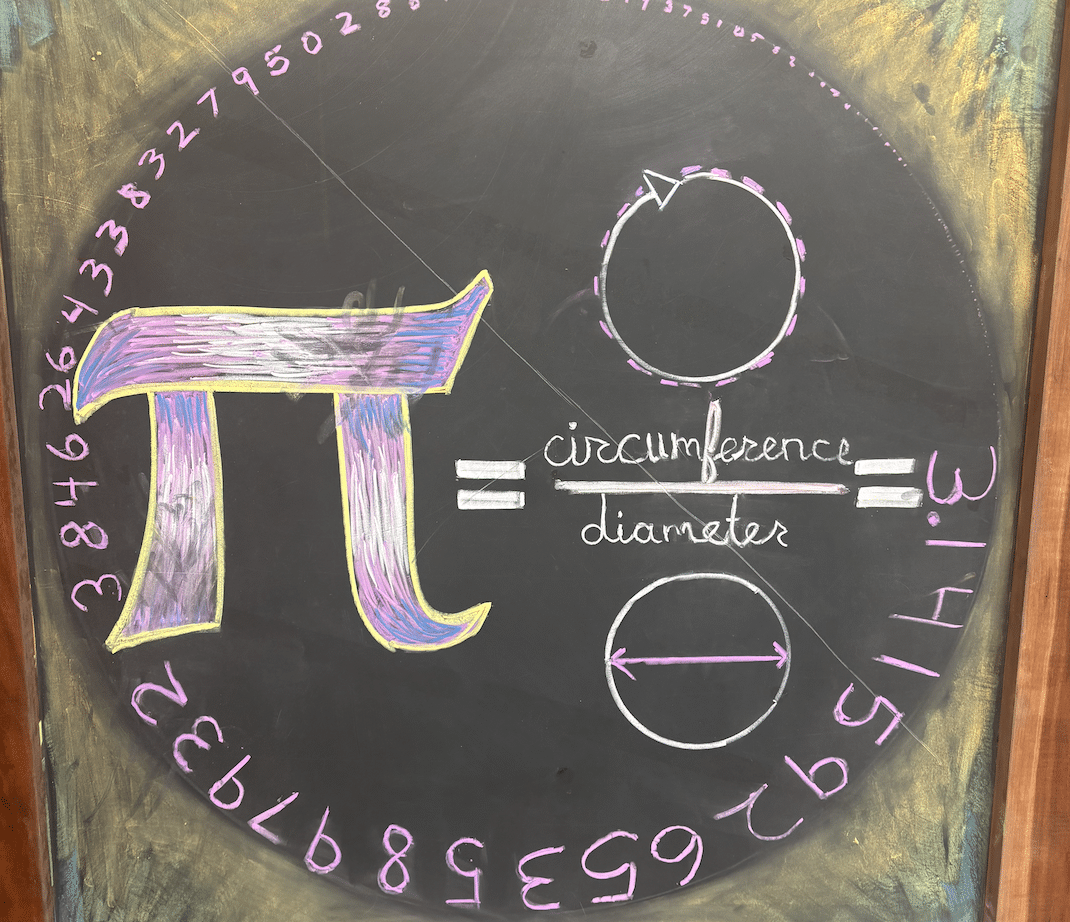
In our Waldorf classrooms, math lives within us – mind, body, and imagination too.
As we introduce math in our early grades, numbers are discovered through movement, rhythm, and story. We sing, jump, clap, and stomp our way into counting and patterns. We begin to see math all around us.
In middle school, practical math skills are first built through business math – giving their classroom practice real-world application. Geometry emerges through observation and beauty.
Even in our upper grades, while students move into more abstract work, math is never disconnected. Through hands-on projects, real-life puzzles, problem-solving, and artistic thinking, students learn more than just how to solve – they learn how to think.
Math is more than just numbers on a page in our K-12 curriculum – it is something we experience.
Mini Vlog: Welcome to The Festival of Life Renewed
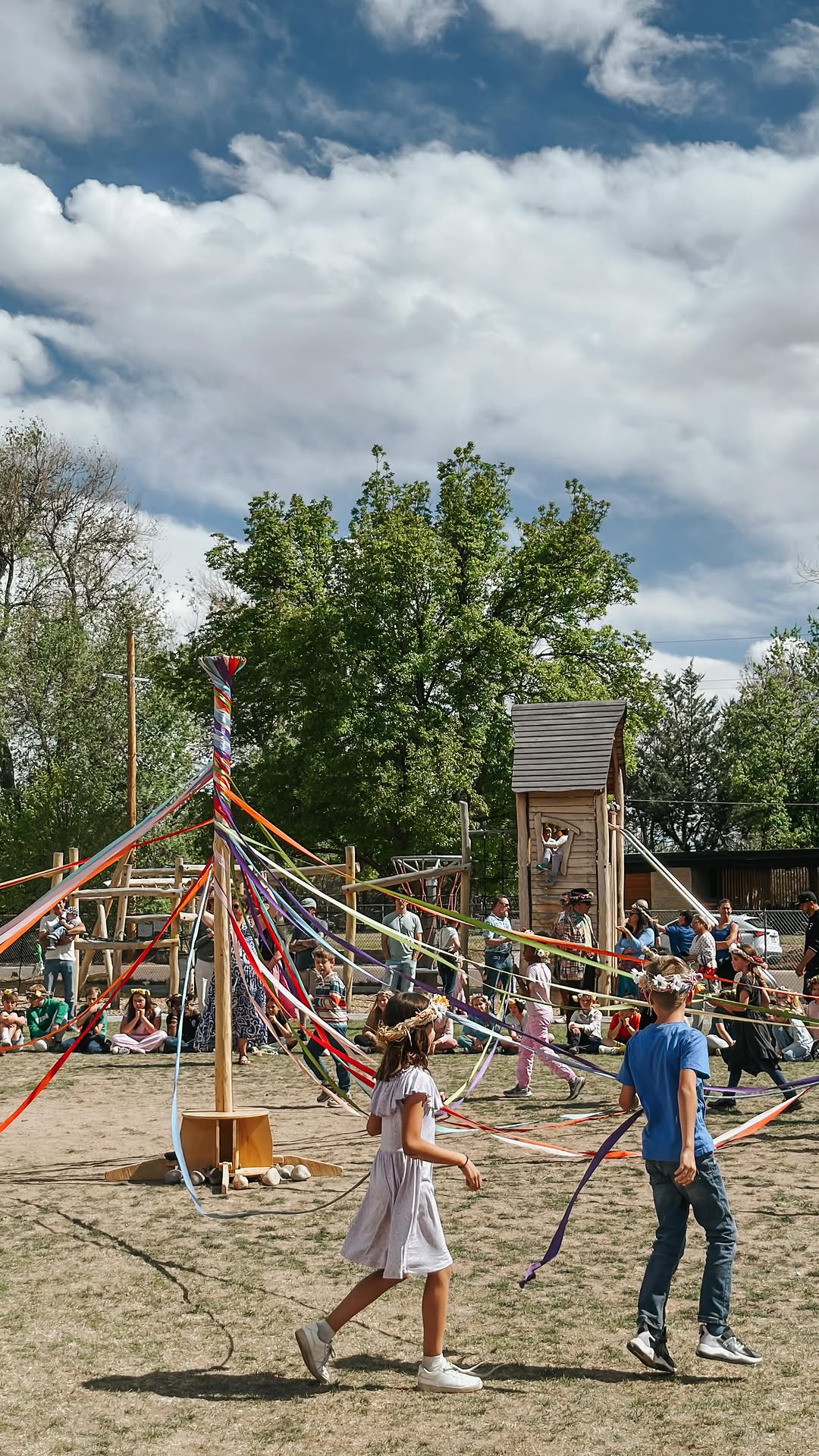
Welcome to our Festival of Life Renewed – an honoring of spring and all that it represents. This festival is a time to express gratitude for the season’s renewal of life and embrace a commitment to practices that nourish and sustain it. With freshly braided flower crowns, we gathered in community with song, dancing around the Maypole, and celebration. Festivities included seed ball making, face painting (thanks to our high schoolers!) , tie-dying, mending, and much merriment as we reflected on the many gifts of this good Earth.
Thank you to the Family Grove for hosting this cherished festival and to all of our parent and high school student volunteers! May we continue to move together in rhythm – with each other, with the music, and with this season. 🌸 // music by Denver’s @micrograssband
Big Deal for Little School- On a Team with No Try-Outs or Cuts, 2 Seniors are Top Ranking Players in the League, State and Nation
Some milestones are about numbers. Others are about the dedication, grit, and community that make them possible.
This Basketball Season, The Denver Waldorf School community had the rare privilege of celebrating all of the above.
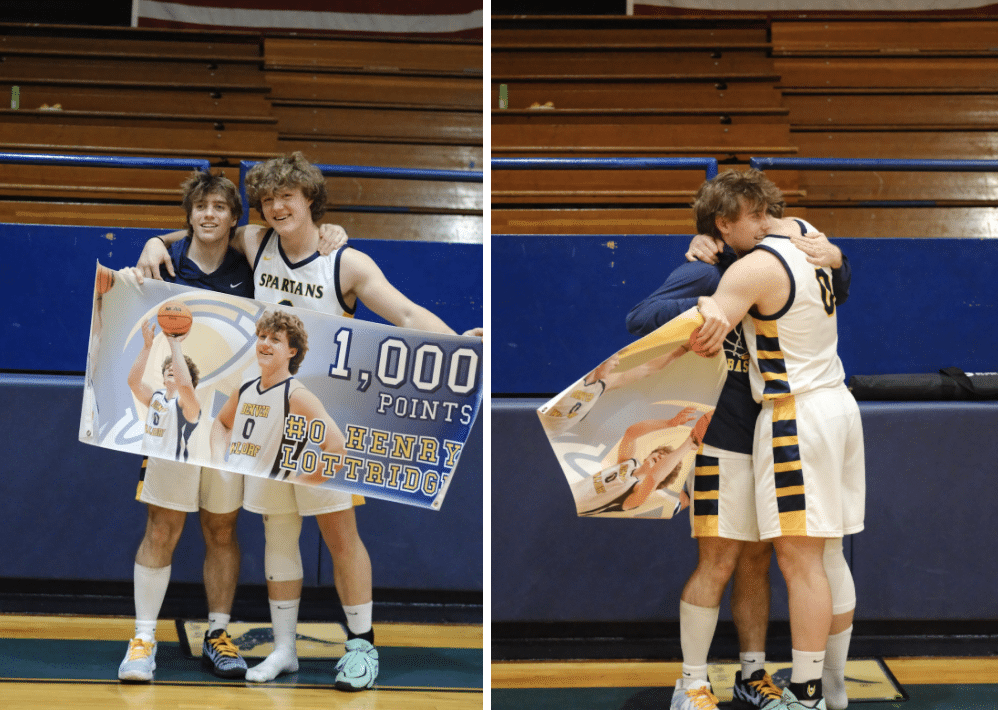
In a packed gym filled with anticipatory teammates, family, teachers, administrators, and classmates, senior Henry Lottridge reached the coveted milestone of 1,000 career points, marking a moment that was as emotional as it was electrifying. Cheers erupted, teammates rushed the court, and a season’s worth of hard work crystallized into a single unforgettable play that seemed to occur in slow motion.
The celebration carried even deeper meaning as the school also honored the other half of this dream team, senior Cayden Quinn, who reached the same milestone last season — placing him among just 0.5% of high school basketball players nationwide to achieve 1,000 career points so early. Cayden is also the all-time leading scorer in Denver Waldorf School history, a testament to both his talent and consistency, having never missed a single game in his 4 years on the team.
These accomplishments are made even more impressive by the school’s size. With an enrollment of approximately 50 students, The Denver Waldorf High School competes in Colorado’s 1A division. Despite this, Cayden ranks #2 in the league, #13 in the state, and #225 nationally, while Henry is currently ranked #6 in the 1A division, #24 statewide, and #359 nationally across all divisions. By comparison, The Denver Waldorf High School as a team is ranked 10th in the league and 129th statewide.
Together, their achievements tell a larger story — one of shared dedication, perseverance, and team culture.
Earlier that day, the school gathered for a school-wide pep rally, closing out the school day to celebrate the entire athletics program — a program rooted in the belief that every athlete has a place on the team. Students, faculty, and staff filled the field with Spartan spirit as Cayden and Henry were recognized not just for their scoring, but for the leadership and commitment that paved the way to these milestones.
Later that evening, the story came full circle. Despite an unexpected broken-shoe mishap mid-game, Henry and his teammates pushed forward — embodying the famous Waldorf resilience in real time. When the milestone point finally happened in the final 4 minutes of the game, the gym erupted in cheers, hugs, cheers, underscoring that no achievement in sports is ever earned alone.
Congratulations to Cayden Quinn, Henry Lottridge, and all of the Spartans who make moments like these possible.
What's Up With Looping in Waldorf?
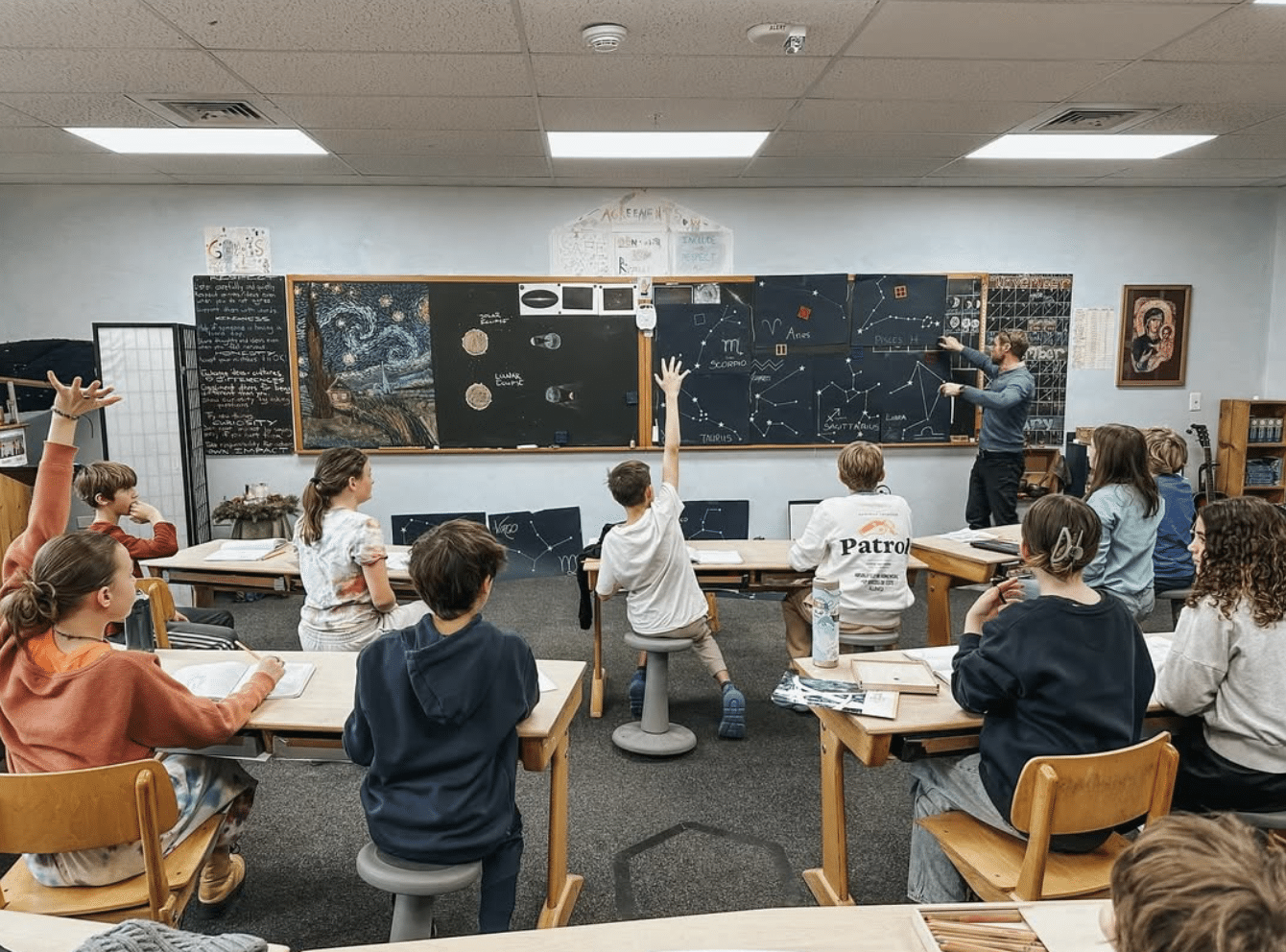
When The New York Times published research showing that teacher looping improves academic achievement and classroom outcomes, Waldorf educators responded with a resounding “well, yeah- of course!” For more than a century, Waldorf schools have practiced looping- not as a trend, but as a foundational principle of relationship-based education.
At first glance, the word “looping” might sound like a ride at Lakeside Amusement Park or a technique your child learns in Handwork class. In education, however, it refers to a teacher staying with the same group of students as they move from grade to grade. Although looping has gained media attention in recent years as schools look for ways to strengthen student connection and presence in the classroom, Waldorf schools have practiced it for more than 100 years. In some schools a teacher may stay with a class for lower grades (1-4) or middle school (5-8), while in others the journey lasts all the way through eighth grade- until the students are ready to learn from and alongside our high school educators who are experts in their respective fields.
The idea of a teacher staying with a class over a number of years was brought by Rudolf Steiner in the first Waldorf school in Stuttgart, Germany, in 1919. This practice is deeply rooted in Steiner’s philosophy, which emphasized that teachers should remain with children as long as possible, especially during the formative years between ages 7 and 14. At the heart of this idea is the belief that the most powerful educational tool is not a textbook or a test- it’s the relationship between teacher and student.
Research supports what Waldorf educators have practiced for decades: strong relationships foster stronger learning. Education is inherently adventurous- students are constantly trying new skills and stretching beyond their comfort zones. A trusted teacher provides the safe and grounding space that encourages children to take those leaps..
Traditional education often positions teachers as “content specialists”- an expert on the stage imparting knowledge- a one-way, lecture-based style. Waldorf education flips that model. Each student arrives with knowledge and curiosity, and learning happens in the collaborative space between teacher and student. Teachers are not just lecturers- they are representatives of the world, meeting students with relevant subject matter at each stage of development.
Parents often wonder how looping prepares children for high school. Some assume Waldorf’s relationship-based approach is ideal for the early grades, but worry that students need a more main stream education once they reach high school age. In reality, looping equips students with a cultivated expectation for learning through authentic relationship. By the time they reach high school, Waldorf students carry a strong sense of curiosity they can trust will be satisfied and an insistence on genuine engagement. They are not satisfied with surface-level teaching; they want teachers who are both experts in the subjects and deeply invested in who they are, in and outside of the classrooms. This expectation, that teachers understand how to bring materials to each individual learning style and the contexts that affect a students ability to lean, is part of what makes Waldorf high schools so unique.
Looping also impacts the class as a whole. Staying together year after year fosters a family-like community, with all the joys and struggles that come with it. Conflict is natural, but Waldorf schools place a strong emphasis on restorative practices and conflict resolution ensuring that children (and parents) feel supported as new families join or dynamics shift.
Of course, looping raises questions. What if a student and teacher don’t get along? What if a teacher is struggling in their class? Waldorf schools address this with intentional structures: ongoing professional development, mentorship, and honest conversations. Sometimes a teacher and class may part ways, but more often the relationship itself becomes the catalyst for growth- for both teacher and student.
The results are clear: looping works. It strengthens bonds and deepens learning, preparing students not only for academic success but for life as resilient team players.
Honored as Denver’s Face of Private Education
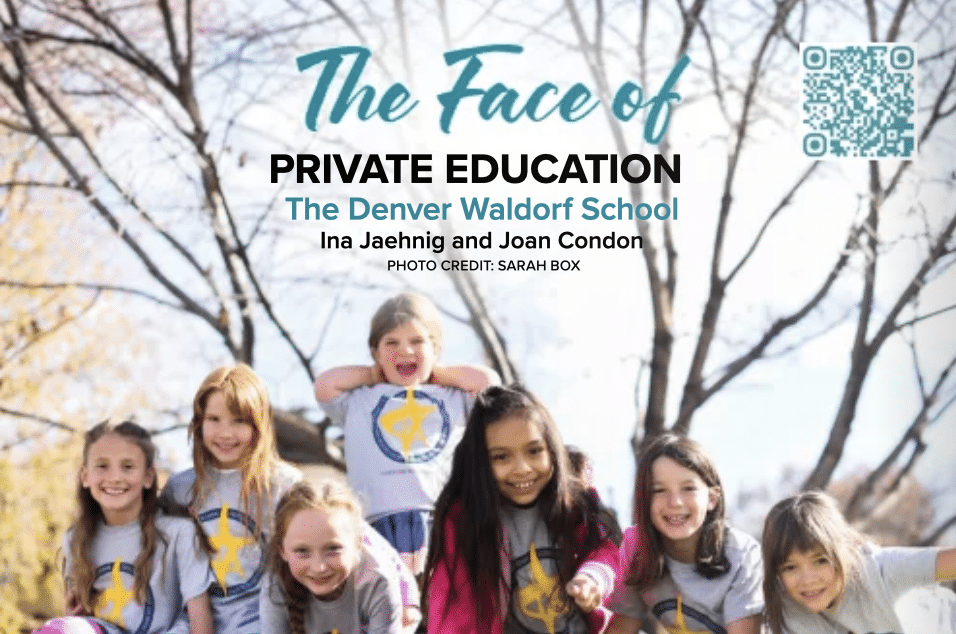
We’re BEYOND honored to be featured as THE "Face of Private Education” in Denver by Faces & Places 2026- a beautiful celebration of the people and institutions shaping our community.
Being included along-side these industry leaders is a testament to the standout work we do every day in education. This recognition fuels our mission to create an educational experience that is not only academically strong, but deeply connected to creativity, community, and humanity. A heartfelt thank you to Faces & Places for this honour and to our entire school community- our teachers, administrators, students, families, and supporters- for making this possible.
Read Our Article:
Founded in 1974 as Colorado’s first Waldorf school, The Denver Waldorf School provides a Pre-K–12 education rooted in both tradition and forward-thinking pedagogy. Located in the heart of the city, DWS offers the rare combination of an urban campus with frequent access to nature—just steps from the 80 acres of fields, trees, and trails at Harvard Gulch Park. This blend allows students to learn in ways that engage both head and hands, whether studying earth science outdoors, composing and illustrating their own textbooks, or exploring literature through performance. Here, the world becomes their classroom, inviting students to observe, perceive, and connect more deeply with their environment.
At DWS, learning is alive. A holistic, arts-integrated curriculum nurtures intellectual curiosity while supporting emotional attunement and confidence. Movement, play, and experiential learning are foundational. Relationship-based teaching is strengthened through looping, where faculty progress with students over multiple years—deepening understanding, trust, and individualized support.
Kindergarteners learn through play, storytelling, and hands-on activities like baking and foraging as a group. In first grade, every child begins handwork through knitting—an exercise in patience, dexterity, and creativity. By eighth grade, students have practiced sewing, embroidery, and other practical crafts that build capability and artistry. All students engage in music, theater, and traditional STEM studies from kindergarten through twelfth grade, endowing them with a well-rounded sense of what it means to be fully human in the world.
We take the humanities literally. Our students are renaissance thinkers from the moment they arrive. And as Spartans—our mascot in spirit as well as athletics—they practice a robust range of subjects, developing resilience through challenge and versatility of skills. They learn not just information, but how to learn: how to observe, perceive, communicate, and navigate the world with clarity and empathy. These human capacities are increasingly essential in an automated age. With a 100% college acceptance rate, DWS graduates emerge as collaborative teammates, thoughtful innovators, and compassionate leaders.
A key principle of our philosophy is cultivating original thought by minimizing digital distraction in formative years. With a mindful, age-appropriate media and technology policy, students first build imagination, focus, and the capacity to reach their own conclusions by engaging with the depths and layers of the world—later pairing these strengths with technology from a grounded perspective.
More than ever, students need an education that fosters resilience, adaptability, compassion, and confidence. They need the intentional integration of academics, arts, music, and movement to educate the whole human. Welcome to The Denver Waldorf School.
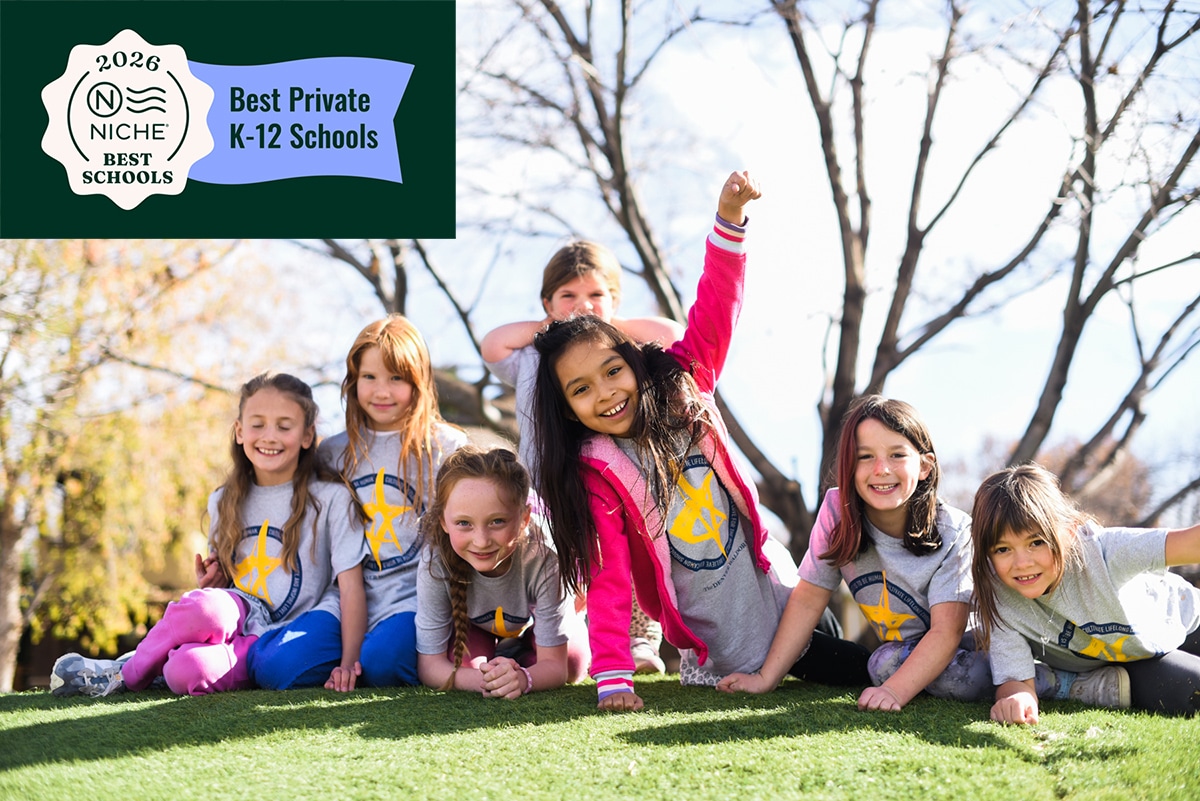
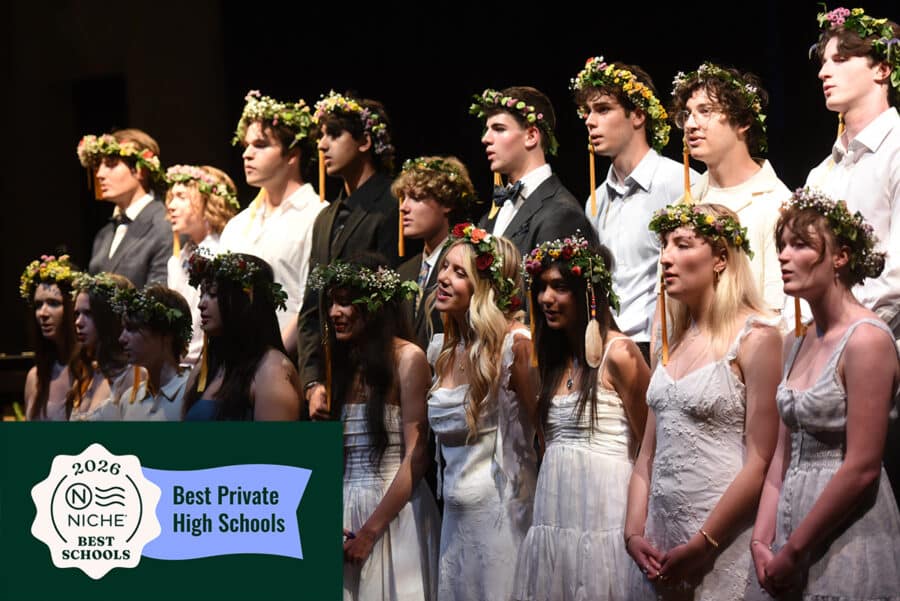
2026 Niche Rankings
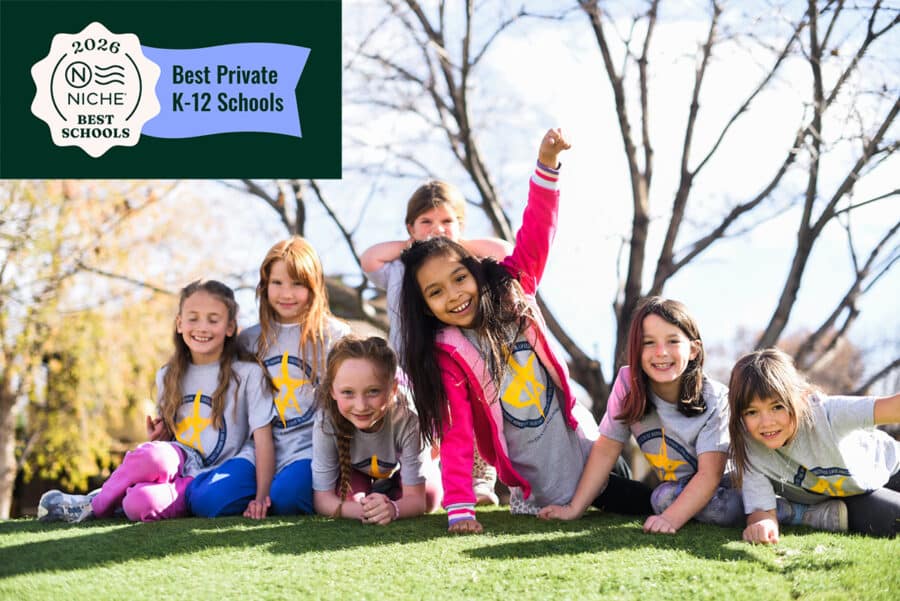
- #8 of 30 in Best Private K-12 Schools in Colorado
- #5 of 14 in Best High Schools for the Arts in Colorado
- #12 of 51 in Best Private High Schools in Colorado