

The Shepherd's Play
A Denver Waldorf School Tradition
Recommended to Waldorf schools by Rudolf Steiner, The Shepherds’ Play, is one of a trilogy of plays from the middle ages and has been an annual event at The Denver Waldorf School for more than three decades. The story reflects and contrasts the simplicity of the shepherds, the practical and earthly interests of the innkeepers, and the divine birth event of the Christ Being, amid a fervent reverence for nature.
In today’s eclectic world, some may identify in this play an intimacy with the heavens at the winter solstice, or even a profound personal spiritual birth or renewal, as the returning light of the sun gives promise and hope for the future of humankind.
The Music of the Shepherd’s Play
The music for the Shepherd’s Play was written by Leopold van der Pals (1884-1966), a Danish/Dutch modernist composer who became acquainted with Rudolf Steiner and moved to the Dornach area in 1915. In this production, Lily Kellogg and others arranged the songs for two- and tree-part voice.
2021 Performance
Our Shepherd’s Play returned to the stage before a live audience in 2021. Participants included The Denver Waldorf High School’s 12th graders and faculty, with musical accompaniment by Mariko Murase.

2020 Performance
This year’s audio play participants include The Denver Waldorf High School’s 12th graders, two alumni, current and former teachers, and musical accompanists. As an acknowledgement of the times we live in, all singing and speaking tracks were recorded in small groups of four to five, wearing specially prepared masks for that purpose, and minimal rehearsals to follow safety guidelines.

Parent Ed Evening with Sexuality Educator Deborah Roffman
“Where Did I Come From?” and Other Wildly Misinterpreted Questions Young Children Ask
Never fear! Parents are fully capable of responding effectively to children’s questions about sexuality, they just don’t know what they already know about doing that. Join us to find out how to become your children’s primary—as in first and most important—sexuality educators.
Date: Wednesday, January 19th
Time: 6-8pm MT
Location: Online via Zoom
*Please note that this event WILL NOT be recorded. Please register to reserve a spot!
What You’ll Learn
- The five core needs of children and teens as they grow toward healthy sexual maturity, and the five corresponding nurturing roles for families and school
- The misplaced anxieties that keep adults from recognizing what is truly age-appropriate for kids to know
- How to look behind children’s eyes, see what they see, and discover what they’re really wondering about
- How to reduce discomfort and embarrassment—your own and your child’s
- Research that demonstrates how vital early and ongoing conversations about sexuality are to health and well beings
- Creating authentic partnerships between families and schools around sexuality education
About Deborah Roffman
Named one of Time Magazine’s “Top Sixteen Parenting Experts for the 21st Century,” Deborah’s three previously published books for parents and teachers (including Sex & Sensibility) are considered classics in the field.
A human sexuality educator, consultant, and author based in Baltimore, Maryland, she has taught sexuality education in grades 3-12 at the Park School for more than 35 years. In addition to her constant writing and teaching, she’s worked with parents, teachers, counselors, administrators, students, alumni, and trustees at more than 400 schools and organizations across the country, and she’s published widely throughout the national media. She’s referred to by her colleagues as the most articulate professional voice in the US on the need for broad-based human sexuality education. Her ability to find common ground by keeping the focus on young people and their universal needs around healthy sexual development is one of her gifts.
About The Denver Waldorf School
The Denver Waldorf School is an urban pre-K through 12 independent school in Colorado. Founded in 1974 on Rudolf Steiner’s humanitarian curriculum, DWS believes education should foster what it is to be human, cultivate lifelong curiosity, and inspire a love for the world. We are currently enrolling for in-person learning:
Want to learn more about us? Learn more about our in-person and virtual events, read our blog, or take a listen to our podcast.
Event Registration

Financial Aid Webinar
Financial Aid Workshop and Live Q&A
Do you have questions about DWS tuition adjustment and scholarships? Please attend our financial aid workshop with Business Director Laurie Thompson and Admissions Director Karlena Alonso Lamm to learn how to apply for the 2023–2024 school year.
Date: Saturday, January 14th
Time: 10-11am MT
Location: Online via Zoom
This workshop is open to currently enrolled and prospective families.
What You’ll Learn
During the workshop, Laurie and Karlena will cover:
- Tuition adjustment (TA) process (applications, review, and deadlines)
- Scholarships
The Denver Waldorf School is committed to economic diversity. The Board of Trustees, College Leadership Council, Faculty, Administration and parents work together to raise funds, volunteer, and make challenging budgetary decisions to keep tuition within the financial means of the largest possible group. We seek to establish financial relationships that are healthy for the school and the families within our community.
About Tuition Adjustment
At DWS, we recognize that many families want the inspired learning environment that an independent Waldorf education provides, and that this type of education requires a significant financial commitment. Therefore, DWS budgets a significant portion of income to our Tuition Adjustment Program, but the budgeted funds are limited. All families who wish to provide Waldorf education for their child(ren) are encouraged to seek the means to make this education a viable option.
DWS expects families to exercise their best creative efforts to use their own financial resources before turning to the Tuition Adjustment Program. It is not uncommon for a DWS family to pay 15 to 20% or more of their income for tuition. This percentage applies to both full and reduced tuition families. Tuition Adjustment is not based on willingness to pay, but on one’s ability to pay. Special circumstances will be considered on a case-by-case basis.
About The Denver Waldorf School
The Denver Waldorf School is an urban pre-K through 12 independent school in Colorado. Founded in 1974 on Rudolf Steiner’s humanitarian curriculum, DWS believes education should foster what it is to be human, cultivate lifelong curiosity, and inspire a love for the world. We are currently enrolling for in-person learning:
Want to learn more about us? Learn more about our in-person and virtual events, read our blog, or take a listen to our podcast.
Festival of Light Emerging
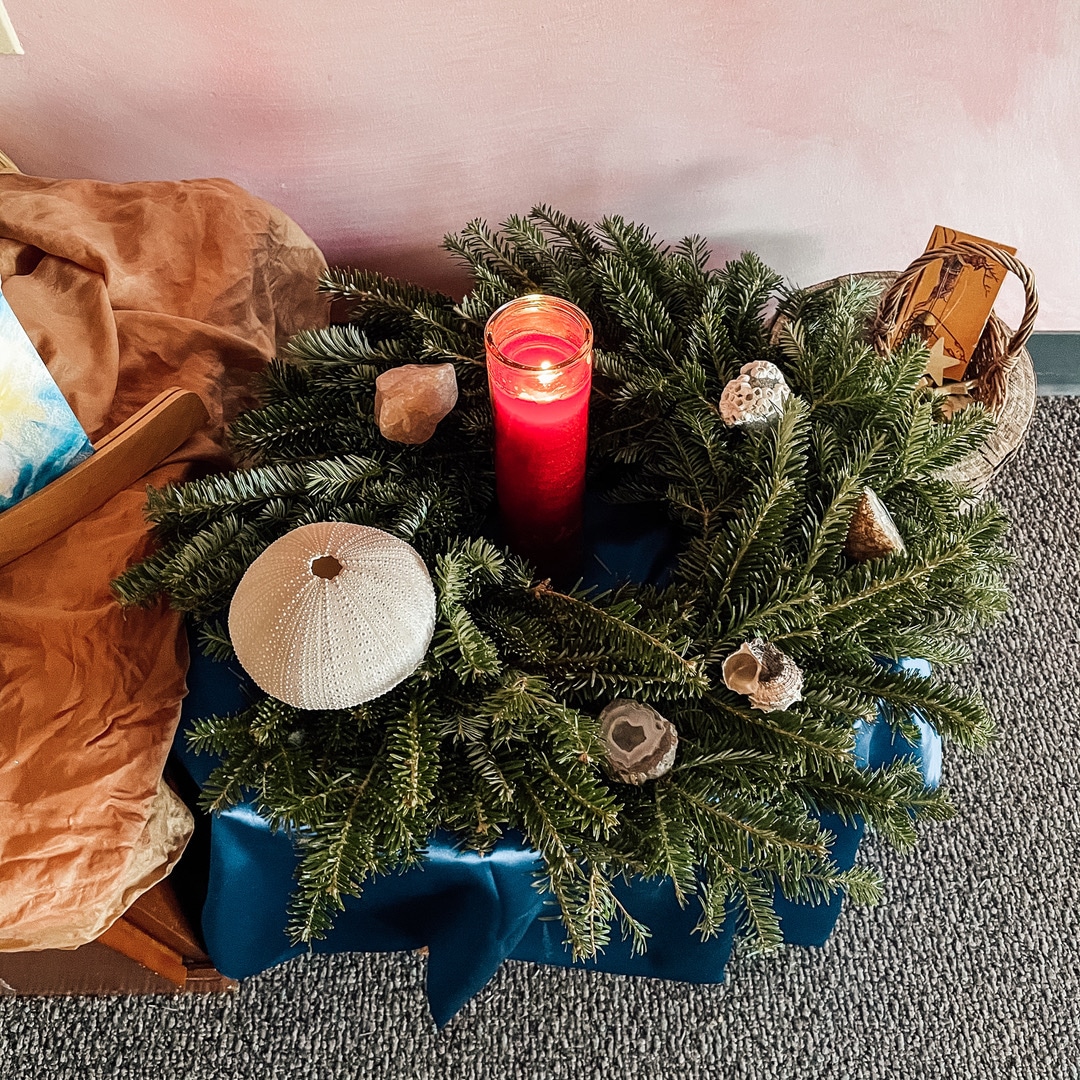
As the days get progressively darker and colder, we all must strive to cultivate and honor the light and warmth we each carry in our hearts as we wait for the light to begin to re-emerge after mid-winter.
Our school has traditionally gathered together for weekly assemblies in December to hear a story and light candles in the darkness. This year, each class will have its own wreath to light, as we celebrate the Festival of Light Emerging for three weeks on Monday:
- November 30th and December 6th, each with a story shared over the intercom
- December 13th in the Festival Hall
We hope you’ll join us in celebration this season by the sharing of light with one another! Scroll down to download each week’s story to read at home.
The Gift of the Light
The gift of the light we thankfully take
But let it not be alone for our sake.
The more we give light, the one to the other,
It shines and spreads life, a-glowing still further,
Till every spark, by friends set aflame,
Till every heart, the joy shall proclaim,
Not long shall continue the dark of the year.
The Light draws near.
-M. Tittman
Please note: The original verse reads, “The Christ draws near.” We have substituted, “The Light draws near.”
Week One: November 29th through December 4th
Week Two: December 4th through December 11th
Week Three: December 12th through December 18th

Nutrition for Academic Success
Beginning with our youngest students in our early childhood classrooms, an emphasis on wholesome and nutritious snacks and meals are a part of our culture. In kindergarten, each day we share a family-style meal with the children helping to prepare the food, set the table, and wash up afterwards. We practice gratitude, intention of preparation, and come to understand the source of our food. Nutritious real food that contributes to our children's well-being and development is essential. We are grateful to have Carla Abate, a DWS parent and community member as well as a certified master nutrition therapist, share her wisdom below for our community on nutrition for academic success.
Nutrition for Academic Success
It’s a constant challenge to prepare lunches for the week and do so with a nutritional mindset. After all, it’s disappointing when lunch boxes return full of quality wasted food. But our children’s learning depends, in part, on the food they eat during the school day. As a parent myself, I too have struggled to keep the dream alive to feed my family well, all while sticking to a budget and time limit, and offering options that my kids will actually eat. It can feel like an exhausting, fruitless effort, but as a nutrition therapist, I am devoted to meeting this challenge and sharing my process with other parents. One of the first steps toward fueling our children wisely, is to understand the role of carbohydrates.
Carbohydrates seem to get a bad reputation these days. However, certain cells like our red blood cells cannot utilize any other energy source. And while low-carb diets such as the ketogenic diet, may have their place therapeutically, in the short-term, growing children need a balance of all of the macronutrients for proper development. Besides, all carbohydrates are not created equally. Rather than focus on eliminating these, we should be examining the quality of the carbohydrates we select.
Blood Sugar Regulation
Certain foods and food combinations have a greater ability to raise blood sugar than others. While fat and protein do not raise blood sugar as much as carbohydrates do, even different types of carbohydrates have varying effects. The more processed and refined carbohydrates are (think white bread, crackers, cookies and sugary drinks), the faster blood sugar rises, spiking insulin (the hormone that admits sugar into cells for energy), and resulting in excess sugar that will be stored as fat. This is one of the leading mechanisms responsible for the rise in childhood obesity.
When we continually allow blood sugar to soar and crash, we disrupt other hormones such as our stress hormone cortisol. The dramatic blood sugar crash that often follows a high carbohydrate meal, signals the stress response, and corresponding release of cortisol. The chronic stimulation of insulin and cortisol can eventually lead to resistance to these hormones further disrupting other metabolic processes.
While insulin and cortisol resistance are extreme, and often unobservable consequences of eating overly processed and refined carbohydrates, the following are some of the more obvious and relatable consequences likely more familiar to parents:
“Hangry” effect - low blood sugar resulting from simple carbohydrates can produce irritability and moodiness.
Poor concentration - fat and protein are satiating macronutrients that promote the feeling of fullness. When these do not accompany carbohydrates, hunger persists making it difficult to focus on other tasks. Apple slices with nut butter are a great solution.
Constant hunger - when we aren’t eating nutrient-dense foods, our bodies are also not getting the signal that they are nourished and overeating ensues. Nutrient-dense foods provide the right nutrients that communicate with our cells.
Other - Headaches, fatigue, and general lack of well-being. Many other common symptoms can be linked back to poor blood sugar regulation.
Diet and lifestyle recommendations
- Replace simple carbs with fiber-rich complex carbs such as whole grains, vegetables, and some fruits-fiber slows sugar absorption.
- Pair carbs with fat and protein at each meal to slow the blood sugar surge. Avocado, coconut, grass-fed butter, nuts and seeds are great sources of healthy fat.
- Focus on carbs in the form of fresh vegetables that include additional micronutrients such as vitamins, minerals, and polyphenols. Many vitamins such as the B vitamins play a role in energy metabolism.
- Support the microbiome with probiotic and prebiotic-rich foods - many pathogenic strains of bacteria feed on sugar and can be kept in check by introducing beneficial microbes present in fermented foods such as yogurt, miso, and sourdough bread.
- Get your kids moving - exercise is known to increase insulin sensitivity. Take family bike rides or get your kids involved in sports.
“Start where you are,” the title of one of my favorite books by Pema Chodron on compassion, always rings in my mind when I think about making dietary and lifestyle changes. Remember, my child may be starting with refined cereal, so a subtle shift to whole-grain cereal or maybe oatmeal would be a sensible carb upgrade. On the other hand, your child may already be enjoying whole grains, and is open to incorporating more carbs in the form of veggies (which also supports the microbiome - to be discussed in more detail in upcoming posts), in an omelet for instance.
Remember, carbohydrates in the form of whole foods provide the most nourishment. These typically contain an array of nutrients that interact with one another and function to address more than one biological process. For example, zinc is essential to the formation of active vitamin A, and while it plays a major role in immune regulation, it also participates in insulin synthesis, release, and storage. Additionally, our fat-soluble vitamins (vitamins A, D, K and E) require fat for absorption further making the case to balance your macronutrients at every meal.
Take it slow…….you will get there!
About Carla Abate
Carla Abate is a family wellness educator and advocate for the importance of nutrition during the perinatal stages. She is a certified master nutrition therapist (MNT) and postpartum doula. Her experience with pregnancy and entry into motherhood helped inspire what she does today. With motherhood came self-growth, inspiration, and courage. It also brought great challenge forcing her to dive deep into her own wellness journey. Today, it’s Carla's mission to help other mothers (and their families) flourish throughout pregnancy and well beyond.
Find out more at rebelrootsnutrition.com or on instagram @rebelrootsnutrition or contact Carla directly at carla@rebelrootsnutrition.com
References
https://www.mayoclinic.org/
https://www.ncbi.nlm.nih.gov/
https://www.ncbi.nlm.nih.gov/
RESCHEDULED: Denver Waldorf School Mid-February Group Tour
Please note that our previously scheduled event on February 16th has changed. Please visit our Group Tours page for the calendar of updated offerings.
Step Inside The Denver Waldorf School
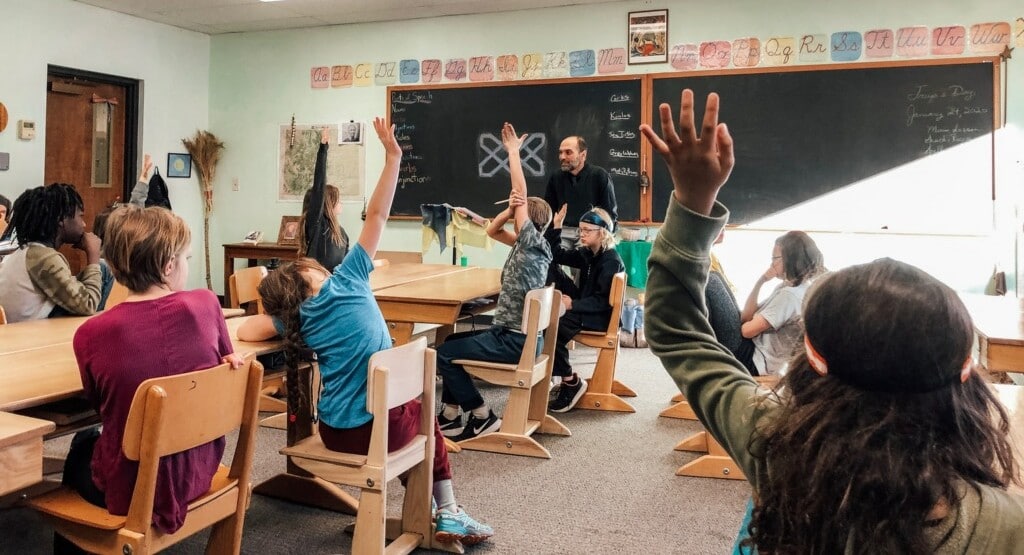
Wondering if The Denver Waldorf School is the right choice for your family? Join us for an in-person group tour of our main campus* with Education Director Vernon Dewey and Admissions Manager Brooke Camfield to discuss how the curriculum integrates academics, arts, and athletics in educating the whole student. Please register to reserve a seat.
*If your child is between the ages of 2½ and 4 years old, we invite you tour our Starflower location in the Cherry Creek North/Congress Park area.
What You’ll Learn
Taught throughout the world, our curriculum is more than 100 years old and unlike any other program you’ve experienced. That’s why, after we discuss our early childhood, elementary, middle, and high school programs, we close our group tours with a Q&A session.
About The Denver Waldorf School
The Denver Waldorf School is an urban pre-K through 12 independent school in Colorado. Founded in 1974 on Rudolf Steiner’s humanitarian curriculum, DWS believes education should foster what it is to be human, cultivate lifelong curiosity, and inspire a love for the world. We are currently enrolling for in-person learning:
Want to learn more about us? Learn more about our in-person and virtual events., read our blog, or take a listen to our podcast.
RESCHEDULED: Denver Waldorf School Early February Group Tour
Please note that our previously scheduled event on February 2nd has changed. Please visit our Group Tours page for the calendar of updated offerings.
Step Inside The Denver Waldorf School
Wondering if The Denver Waldorf School is the right choice for your family? Join us for an in-person group tour of our main campus* with Education Director Vernon Dewey and Admissions Manager Brooke Camfield to discuss how the curriculum integrates academics, arts, and athletics in educating the whole student. Please register to reserve a seat.
*If your child is between the ages of 2½ and 4 years old, we invite you tour our Starflower location in the Cherry Creek North/Congress Park area.
What You’ll Learn
Taught throughout the world, our curriculum is more than 100 years old and unlike any other program you’ve experienced. That’s why, after we discuss our early childhood, elementary, middle, and high school programs, we close our group tours with a Q&A session.
About The Denver Waldorf School
The Denver Waldorf School is an urban pre-K through 12 independent school in Colorado. Founded in 1974 on Rudolf Steiner’s humanitarian curriculum, DWS believes education should foster what it is to be human, cultivate lifelong curiosity, and inspire a love for the world. We are currently enrolling for in-person learning:
Want to learn more about us? Learn more about our in-person and virtual events., read our blog, or take a listen to our podcast.
RESCHEDULED: Denver Waldorf School Mid-January Group Tour
Please note that our previously scheduled event on January 19th has changed. Please visit our Group Tours page for the calendar of updated offerings.
Step Inside The Denver Waldorf School
Wondering if The Denver Waldorf School is the right choice for your family? Join us for an in-person group tour of our main campus* with Education Director Vernon Dewey and Admissions Manager Brooke Camfield to discuss how the curriculum integrates academics, arts, and athletics in educating the whole student. Please register to reserve a seat.
*If your child is between the ages of 2½ and 4 years old, we invite you tour our Starflower location in the Cherry Creek North/Congress Park area.
What You’ll Learn
Taught throughout the world, our curriculum is more than 100 years old and unlike any other program you’ve experienced. That’s why, after we discuss our early childhood, elementary, middle, and high school programs, we close our group tours with a Q&A session.
About The Denver Waldorf School
The Denver Waldorf School is an urban pre-K through 12 independent school in Colorado. Founded in 1974 on Rudolf Steiner’s humanitarian curriculum, DWS believes education should foster what it is to be human, cultivate lifelong curiosity, and inspire a love for the world. We are currently enrolling for in-person learning:
Want to learn more about us? Learn more about our in-person and virtual events., read our blog, or take a listen to our podcast.
Financial Aid Webinar
Financial Aid Workshop and Live Q&A
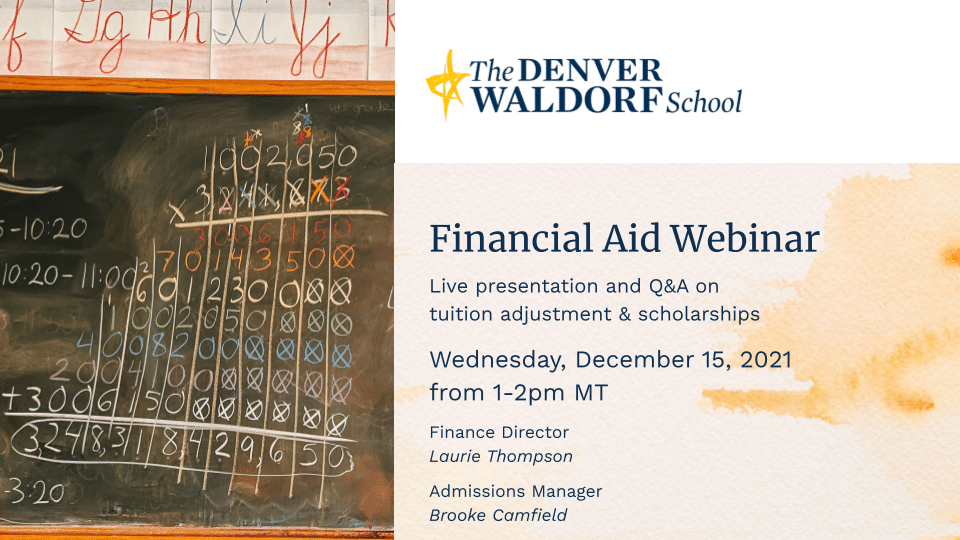
Do you have questions about DWS tuition adjustment and scholarships? Please attend our financial aid workshop with Business Director Laurie Thompson and Admissions Manager Brooke Camfield to learn how to apply for the 2022–2023 school year.
Date: Wednesday, December 15th
Time: 1-2pm MT
Location: Online via Zoom
This workshop is open to currently enrolled and prospective families. Please register to reserve a spot.
What You’ll Learn
During the workshop, Laurie and Brooke will cover:
- Tuition adjustment (TA) process (applications, review, and deadlines)
- Scholarships
The Denver Waldorf School is committed to economic diversity. The Board of Trustees, College Leadership Council, Faculty, Administration and parents work together to raise funds, volunteer, and make challenging budgetary decisions to keep tuition within the financial means of the largest possible group. We seek to establish financial relationships that are healthy for the school and the families within our community.
About Tuition Adjustment
At DWS, we recognize that many families want the inspired learning environment that an independent Waldorf education provides, and that this type of education requires a significant financial commitment. Therefore, DWS budgets a significant portion of income to our Tuition Adjustment Program, but the budgeted funds are limited. All families who wish to provide Waldorf education for their child(ren) are encouraged to seek the means to make this education a viable option.
DWS expects families to exercise their best creative efforts to use their own financial resources before turning to the Tuition Adjustment Program. It is not uncommon for a DWS family to pay 15 to 20% or more of their income for tuition. This percentage applies to both full and reduced tuition families. Tuition Adjustment is not based on willingness to pay, but on one’s ability to pay. Special circumstances will be considered on a case-by-case basis.
About The Denver Waldorf School
The Denver Waldorf School is an urban pre-K through 12 independent school in Colorado. Founded in 1974 on Rudolf Steiner’s humanitarian curriculum, DWS believes education should foster what it is to be human, cultivate lifelong curiosity, and inspire a love for the world. We are currently enrolling for in-person learning:
Want to learn more about us? Learn more about our in-person and virtual events, read our blog, or take a listen to our podcast.
Webinar Registration
Please submit the form below to receive Zoom access details.
Experience Waldorf: A Morning in Our High School for Prospective Families
Experience The Denver Waldorf High School
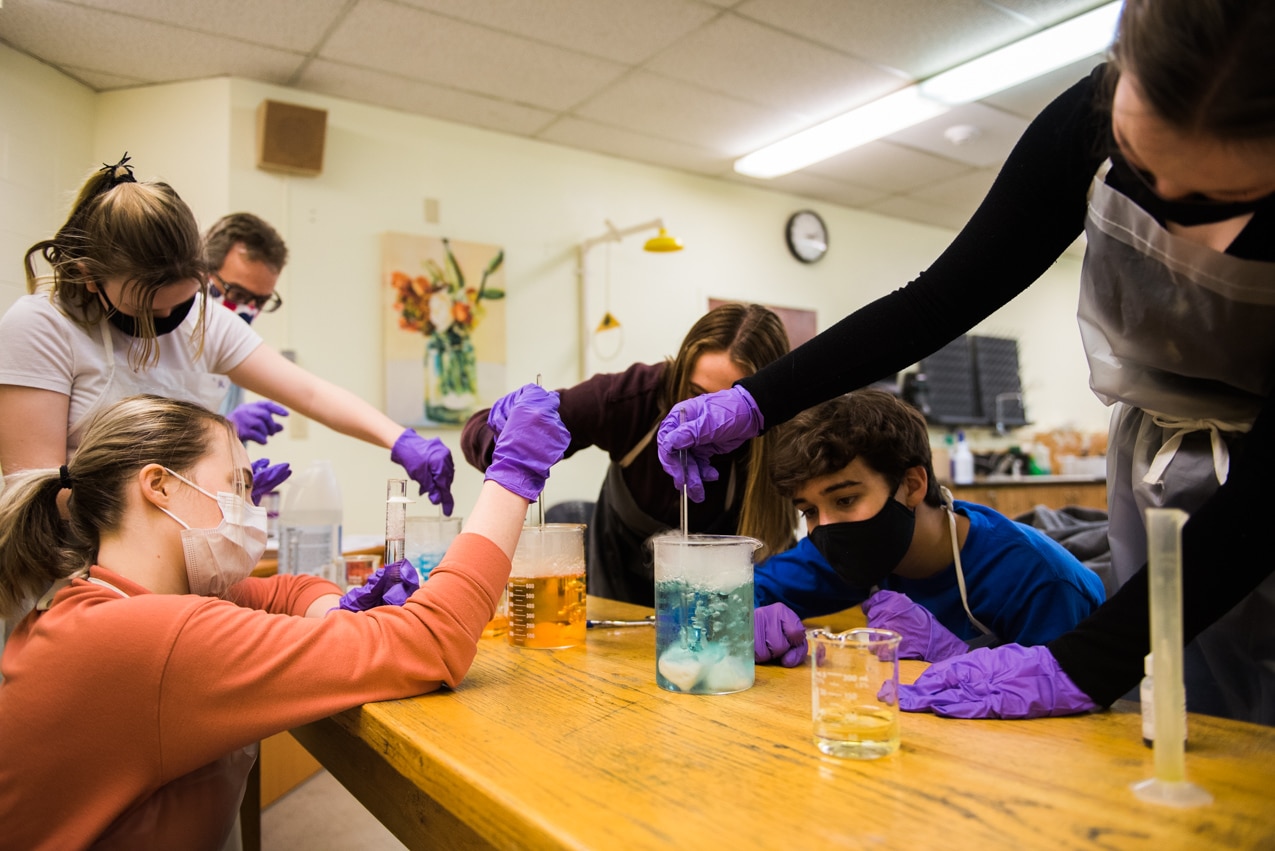
Journey into The Denver Waldorf High School for a morning where you’ll experience a taste of our curriculum, and begin understanding how it integrates academics, arts, and athletics in educating the whole student. Our high school offers a liberal arts education, consciously aimed to nurture and encourage adolescent ideals. The high school experience aims to balance the students’ academic needs with their longing to find meaning in the world.
Date: December 7, 2021
Time: 11am to 12:30pm MT
Location: 2100 S. Pennsylvania St., Denver, CO 80210
Morning Schedule
During your morning at The Denver Waldorf High School, you will experience:
- Thermodynamics
- Environmental Science
- Parzival
- Transcendentalism
Then, we will wrap up with a Q&A session with Education Director Vernon Dewey and Admissions Manager Brooke Camfield.
Reserve Your Spot
Experience Waldorf only allows for small groups. Please register to reserve your spot and notify us if you need to cancel. Please also note that, due to the changing Covid-19 climate, this offering might shift to meet the most recent guidance. Masks required.
About The Denver Waldorf High School
The Denver Waldorf High School offers a liberal arts education, consciously aimed to nurture and encourage adolescent ideals. The high school experience aims to balance the students’ academic needs with their longing to find meaning in the world.
Engaging Body, Intellect, and Emotion
At the start of each day, movement helps spark students’ circulation and bring them together. They then engage in a long, uninterrupted seminar (referred to as main lesson in elementary and middle school) to activate their minds, followed by music and elective classes to spark emotional expression. Music classes and elective courses promote the development of healthy emotional expression through creation.
High School Music
Regarding music, all high school students participate in chorus, with the option to participate in either music ensemble or orchestra until their senior year. Students new to DWS and who have not played their instrument before are strongly encouraged to take private lessons.
Hands-On Learning of Real-World Skills
Students apply what they’ve learned theoretically to scenarios in the real world. For example, a study of soil composition could be applied to a chemistry lesson on acids and bases, as well as a close reading of The Grapes of Wrath, and a course in black-and-white photography in which they learn to develop their own film.
Rhythm of Thinking, Feeling, and Willing
Our goal is to expose our high school students to academic wealth, and demonstrate to them that all knowledge is valuable to encourage their pursuit of wisdom throughout life.
The high school curriculum revisits themes and subjects periodically to strengthen functional knowledge. Students cultivate their ability to think critically, organize ideas and information, and clearly present thoughts through an academically challenging mix of math, English, humanities, physics, life sciences, chemistry, world language, practical, industrial and fine arts, chorus, orchestra, drama, and physical education.
About The Denver Waldorf School
The Denver Waldorf School is an urban pre-K through 12 independent school in Colorado. Founded in 1974 on Rudolf Steiner’s humanitarian curriculum, DWS believes education should foster what it is to be human, cultivate lifelong curiosity, and inspire a love for the world. We are currently enrolling for in-person learning:
Want to learn more about us? Learn more about our in-person and virtual events, read our blog, or take a listen to our podcast.