

Sip for Sustainability
A Biodynamic Wine Tasting to Support The Denver Waldorf School
Discover the fascinating connection between wine and Waldorf education at our upcoming biodynamic wine tasting event!
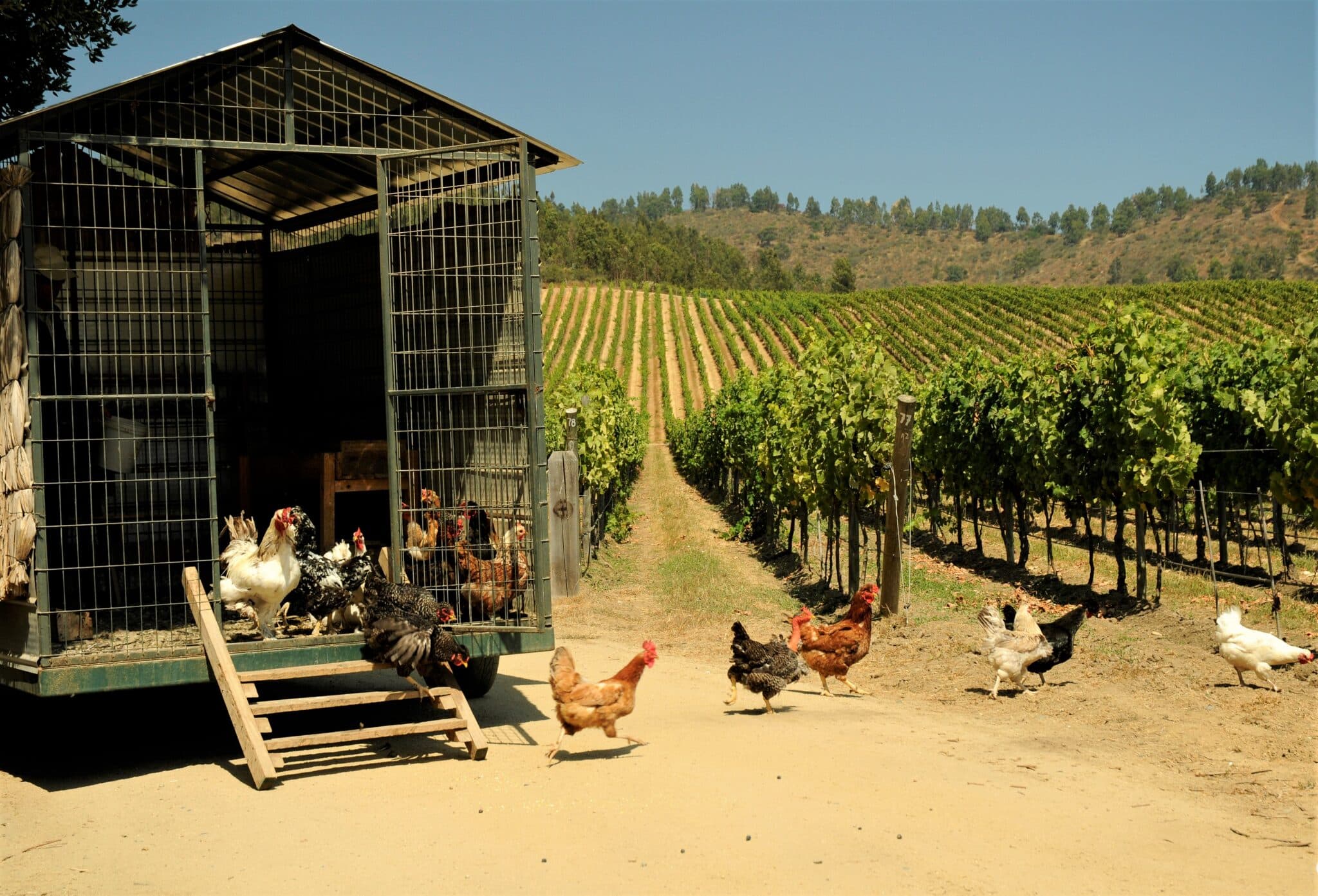
The holistic approach of Waldorf education is mirrored in biodynamic farming, which views the farm as a self-sustaining organism that is deeply connected to the surrounding ecosystem. Both stem from the teachings of Rudolf Steiner and are deeply rooted in appreciation for the interconnectedness of the world and prioritize sustainable, holistic practices.
Join us for an evening of wine, community, and support for Waldorf education at our upcoming wine tasting event together with Pearl Wine Company. Sample a selection of over 100 family run, sustainable, organic, and biodynamic wines and learn about the holistic farming practices that make these wines so special. Your attendance will directly benefit The Denver Waldorf School and help us continue to provide an education that nourishes the whole child.
Join us to help promote sustainable, holistic practices in both education and agriculture!
Please remember THIS IS AN OVER 21 EVENT – YOU MUST HAVE YOUR ID PRESENT TO ENTER
Date: Saturday, May 20, 2023
Time: 6-8:00 pm MT
Tickets: $80
Location: Festival Hall
About The Denver Waldorf School
The Denver Waldorf School is an urban pre-K through 12 independent school in Colorado. Founded in 1974 on Rudolf Steiner’s humanitarian curriculum, DWS believes education should foster what it is to be human, cultivate lifelong curiosity, and inspire a love for the world. We are currently enrolling for in-person learning:
Want to learn more about us? Learn more about our in-person and virtual events, read our blog, or take a listen to our podcast.

Waldorf Night School: Humanities at DWS
Humanities at The Denver Waldorf School
Do you ever miss your high school or college English class? Why do adults have book clubs and not math clubs? Are you interested in learning about our high school humanities trajectory as well as how our curriculum intentionally builds upon itself from the early grades? Come join us for an evening of Night School led by high school humanities teacher Eric Mills. Any adults in the community are welcome and encouraged to join – it’s not necessary to have a high school student! Eric will give a peek into what a literature class at DWS looks like and what it offers our students, as well as discuss some of the whys or why nots of AP English. He will also give plenty of time for Q&A about our humanities curriculum, so bring your questions!
Date: Thursday, April 27, 2023
Time: 4-5:30 pm MT
Location: Eric’s Classroom
Register to reserve a spot.
About Eric Mills
As the high school Humanities teacher, Eric Mills teaches students to be clear thinkers. In his classes, which focus on history, storytelling, race, and gender, students learn to view the world with a more critical eye.
Before coming to The Denver Waldorf School in 2018, Eric taught in Denver Public Schools for 7 years as an English teacher. During his time at DPS, Eric served as chair of the English department, teacher leader for student council, and director of the Denver Public Schools district-wide poetry slam. He was nominated for the Mayor’s Award for Arts and Excellence in Culture in 2015.
Eric holds BAs in Philosophy and English, an MA in 20th-Century American Literature and Literary Theory, and is working toward a Ph.D. in Literary Studies at the University of Denver, where he is researching the decline of the Great House in the Victorian novel as it crossed the Atlantic.
Outside of the classroom Eric has been a passionate advocate for youth representation in the arts and quality education in all schools. He was a classically-trained pianist, and he currently enjoys strumming chords on the guitar with his children when he’s not repairing parts of his 128-year-old Denver home.
About The Denver Waldorf School
The Denver Waldorf School is an urban pre-K through 12 independent school in Colorado. Founded in 1974 on Rudolf Steiner’s humanitarian curriculum, DWS believes education should foster what it is to be human, cultivate lifelong curiosity, and inspire a love for the world. We are currently enrolling for in-person learning:
Want to learn more about us? Learn more about our in-person and virtual events, read our blog, or take a listen to our podcast.
Register to Reserve a Spot
Bringing Waldorf Into the Home
The depth and wisdom of the Waldorf educational movement extends beyond our classrooms here at The Denver Waldorf School. In subtle yet impactful ways, families can integrate Waldorf philosophies into their home lives as well. But what does it mean to bring Waldorf into your home?
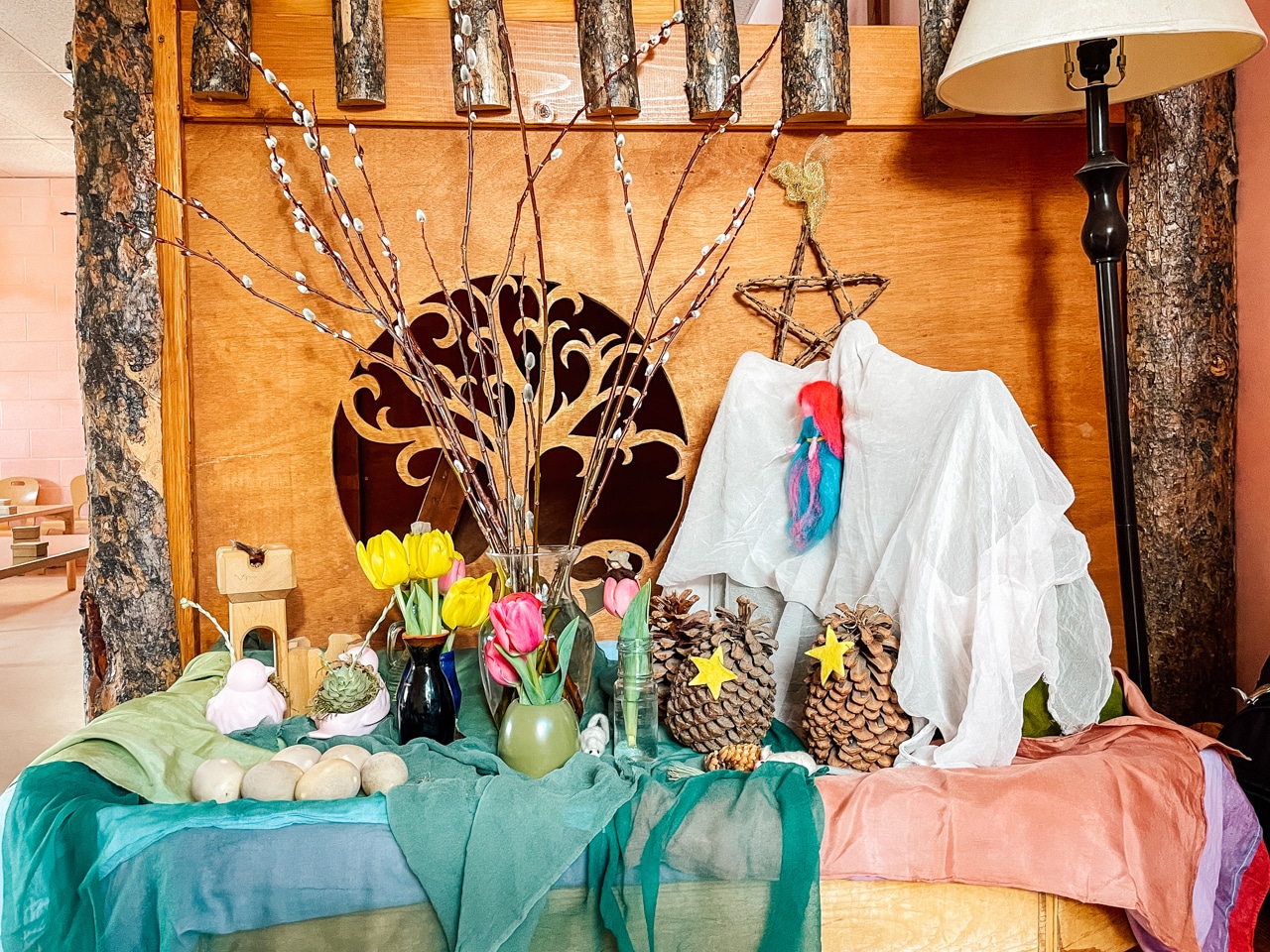
It isn’t just about playsilks, beeswax, beautiful wooden toys, a proper supply of woolies, paper stars hanging from the windows, or the absence of an always-on television (although we do love all these). Rather, it is about creating a thoughtful home-life around the values that we most cherish.
In doing so, we create a sense of purpose, familiarity, and joy for our children. By ensuring our home life and school life complement each other, our children have a sense of security in knowing what to expect.
Here are a few ways to bring Waldorf into your day-to-day home life:
- Rhythm. Rhythm and consistency calm our children’s, and our, nervous systems, in turn creating more peace and less stress in our homes. Just ask a kindergartener what day it is and you’ll likely get the answer “bread day” or “soup day.” Establishing a daily, weekly and seasonal rhythm in our home creates a sense of stability for our children, as they know what to expect.
It isn’t a strict schedule to follow, where if we don’t stick to it we’ve failed. Instead, it’s a gentle way to guide us through our days. Just like when we breathe in and out, our days can reflect that same rhythm — the in-breath in which we embrace the quiet (for example, reading a story), followed by the out-breath in which we embrace the world around us (such as going for a walk around the block). Likewise, we can be intentional about doing the same thing on the same day of the week, such as laundry, going to the library, or other daily tasks which we can include our children.
Living into the seasons by taking the time to notice what is going on around us in the natural world —the first springs of green grass or new birds chirping — reminds us where we are in the world. We can create a little place where we invite nature into our homes to connect us to the world we share - a few pinecones in winter or treasures collected on a walk.
If you find you have no rhythm today, start with something very small — light a candle before dinner, take a walk around the block each morning, or sing the same song at bedtime.
- Simplicity. In a world that pushes us to fill our lives with more, we can find ourselves overwhelmed by the sheer enormity of the day ahead of us. Embracing simplicity, however, reminds us that we do not have to do “all the things, all at once.”
As parents we want the best for our children, and so understandably we feel an impulse to fill our children’s lives with ever-growing “enrichment” opportunities (be it music, sports, extra curriculars, and the list goes on and on). However, more is not always better; in fact, oftentimes, the practice of too-much-too-soon overwhelms our families and counteracts healthful growth and intellectual stimulation.
Allowing ourselves to slow down, simplify our days, and invite our children into everyday life helps center them and gives them a place within the family. Young children are eager to help prepare meals, wash dishes, do laundry, sweep the floor and many other daily tasks. When we include them in the act of caring for our environment, and doing it with intention, we are planting the seeds of compassion and care for the world all around us.
- Free, unstructured play in nature. Children’s lives, and our lives as parents, are often scheduled from the moment we wake up to the moment we go to bed. In our busy lives, sometimes we need to remember the power and importance of downtime and how important healthy free play is. Play is the job of children, it is how they make sense of the world around them. All of the impressions our children take in during the day – whether is it from screens, a simple trip to the grocery store, or a day at school — must be processed, and the way children make sense of what they have seen and done is through free, unstructured play. Ensuring we incorporate free play in nature every day allows our children to make sense of the world around them and keeps them from becoming overwhelmed. Nature is the easiest, and best, reset when our children, or we as parents, become overwhelmed.
By taking a few conscious steps to bring rhythm, simplicity, and play into our days we can create a home life that reflects our values and which translates into less anxious children and adults — leaving room for growth and a love for the world all around us.
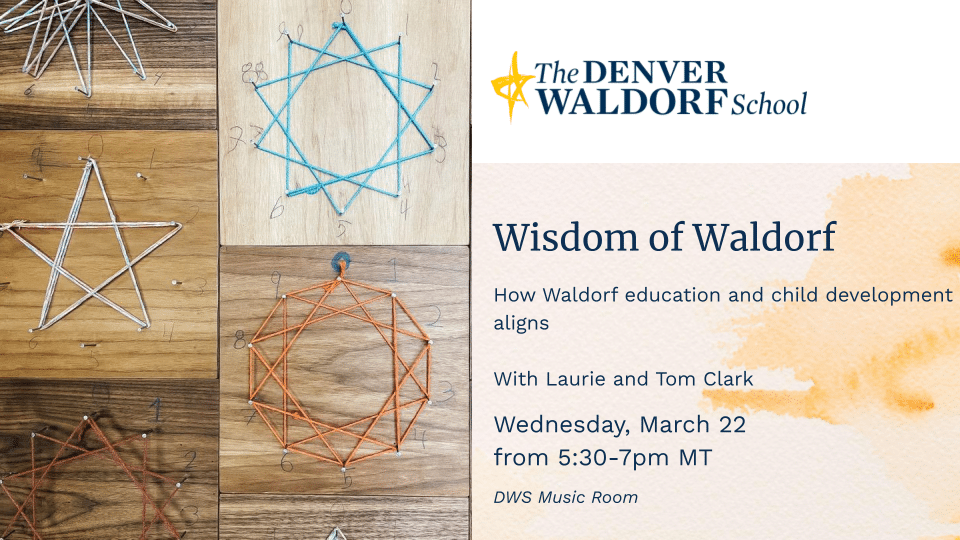
Wisdom of Waldorf with Laurie and Tom Clark
Wisdom of Waldorf
Join long-time Waldorf educators Laurie and Tom Clark as we explore the intention behind our curriculum, how Waldorf education aligns with child development, and why this foundation is necessary for all the years ahead.
Date: March 22, 2023
Time: 5:30-7pm
Location: Music Room
This session will focus on the ECE through 5th grade experience.
About ECE Waldorf Educator Laurie Clark
 Laurie Clark has had the privilege of being a Waldorf early educator since 1978. She incorporates her therapeutic training into all aspects of the classroom and is in continual research through observation and constant engagement with the young child. The deep question of how to meet the children of today and exploring their needs in practical applications lies at the heart of her work. Laurie mentors teachers, is a frequent conference presenter, and has co-authored two books with Nancy Blanning on therapeutic movement for young children.
About The Denver Waldorf School
Founded in 1974 on Rudolf Steiner’s humanitarian curriculum, DWS believes education should foster what it is to be human, cultivate lifelong curiosity, and inspire a love for the world. Want to learn more about the benefits of Waldorf education? Join us online during one of our many virtual events.
DWS is also currently enrolling preschool, kindergarten, elementary, middle and high school students. Tour our school to see the Denver campus and meet us in person!
Register to Attend
The Role of Rhythm in Waldorf Education
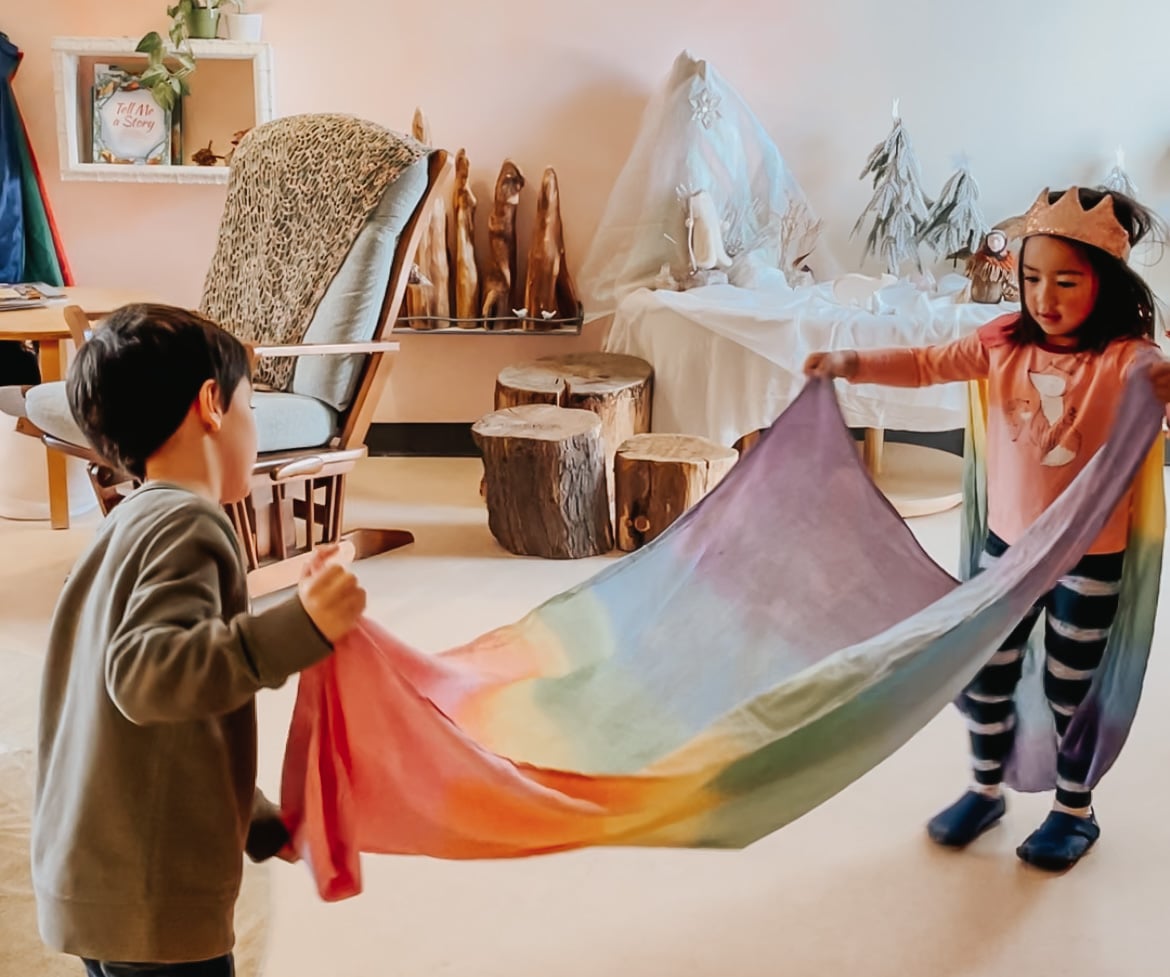
Breathe in, breathe out. Look inwards, look outwards. Nourish the inner life, nourish the outer life. This is the rhythm of a Waldorf education.
Beginning in our early childhood programs and extending through the high school years, rhythm plays an integral role in our students’ lives. A predictable cycle of outbreaths and inbreaths allows our students to meet life’s challenges with confidence and to engage their senses fully in the tasks at hand. Rhythm inspires healthy habits, positive inward reflection, and enthusiastic exploration of the outside world.
So, how does DWS establish rhythm from an early age? We go about our days and weeks with a predictable routine that balances outbreaths with inbreaths, time to engage socially in the world, and time to reflect in the inner world.
For our younger students in the early childhood program, an outbreath can be expressed through a period of free play outside. With our teachers reflecting a loving presence, the children are free to play – to demonstrate their capabilities without direct guidance, to make sense and to make joy of the world in their own unique ways.
After this outbreath of play, the students return inside for an inbreath. The children may gather for circle time, for a story to be read, to hold onto their inner imaginations, to come together peacefully.
The outbreath returns for a walk outside – to feel the sun’s warmth, to watch the geese fly above Harvard Gulch Park, to just get those little legs and hearts pumping. During the colder winter months, the walk may be shorter but the rhythm remains. Circle time, followed by the walk.
When the students return inside after their walk, they enjoy warm tea together – quite literally feeling inner warmth return. The teacher may light a candle, narrowing their focus from all that is going on outside to that single point of warmth inside.
And so the day continues in our kindergartens – bread is baked, play is embraced, stories are told, songs are sung. A natural flow carries us from activity to activity.
There is also rhythm within our week. The children often know the days of the week by the dedicated snack or activity of the day - is it "soup day" or is it "oatmeal day?" There is predictability and consistency, which helps foster a sense of comfort and security within the children.
And this rhythm, this predictable balance, continues throughout the elementary, middle, and high school years. While the expressions of inward and outbreaths change with the students’ maturity, the importance of establishing a rhythm continues.
In fact, the ebbs and flows of a daily rhythm are crucial for the well-being of teachers and parents as well. Finding a comfortable rhythm helps us to remain centered and grounded when life becomes unpredictable. A daily rhythm can help us reset our focus and build our resolve.
Knowing how to breathe in deeply and exhale fully are life skills that stay with our students for all their years to come.
If you'd like to learn more about the importance of rhythm in early childhood, you can listen to our podcast with Clair Boswell, who leads our "Sweat Peas" parent-tot program.
Waldorf Alumni
As we look forward to welcoming back some DWS alumni for our panel happening on Wednesday,
February 15 at 9:00am, we asked DWS Next Steps Coach Laura Shope to share more about Waldorf alumni.
Read her insights below and be sure to join us on February 15th for coffee at 8:15am followed by the alumni panel!
*****
People often wonder about where Waldorf graduates go and what they do after graduation. Or perhaps,
the underlying question is, “Will my student have the best opportunities available to them if they attend
a Waldorf high school?” As an alumni parent, trained Waldorf teacher, and as the Next Steps coach at
The Denver Waldorf School, I can say absolutely, yes! And perhaps even more…
Waldorf alumni are often described as standing out in their future work experiences or in college. There
is an anecdote that I have heard validated time and time again about professors in colleges noticing a
distinct difference in our students, asking where they went to high school, and upon hearing a Waldorf
high school, responding with an all-knowing, “Ah, yes, that makes sense.” On the Waldorf Education
website, this idea is validated:
“Professors in various academic disciplines and in a wide range of colleges and universities who have
had Waldorf graduates as students…note that Waldorf graduates have the ability to integrate thinking,
to assimilate information as opposed to memorizing isolated facts, are willing to take intellectual risks,
and are leaders who take initiative.” (Waldorf Education, 2022)
Waldorf graduates are often described as visionaries and as having developed a sense of balance in life.
They are adaptable, have patience, and are collaborative in nature. Waldorf alumni are also reported to
have more ease with creating relationships with professors in college as they are accustomed to
discussion and having a close relationship with their teachers in high school. These qualities stand out as
something different and valuable as our alumni move into various roles in their lives after high school.
Sometimes there is also a myth that Waldorf schools are just "art" schools, or that perhaps the education is
not as serious as other options. Our high school curriculum is an integrated liberal arts curriculum that
includes the arts, but even more so emphasizes the sciences, mathematics, history and English. What’s
unique is that all the students participate in the whole curriculum, and, therefore, are exposed to many
subjects deeply.
In my experience at two Waldorf high schools, about half of our graduates go on to
study humanities and social science, including a few who dedicate themselves directly to the arts. The
other half go into science and math fields. According the data gathered from over 1000 Waldorf
graduates in North America, about 45% of Waldorf alumni pursue arts/humanities/social science,
another 45% pursue STEM majors with the remaining choosing business, health or education.*
As part of our Next Steps program at DWS, students are guided to identify their interests and the
possible pathways forward with the intent that they feel confident about their choices even if it’s not all
clear yet. Our students start researching careers in ninth grade and the pathways required for different
options in tenth. During eleventh grade, students start a more individualized process around their own
skills and interests, develop skills related to applying to jobs, programs and colleges, and have a
wonderful opportunity to "try on" an experience during a two-week "internship" at the end of the year.
Senior year is all about the implementation of their individual plans.
At DWS, almost all our graduates head off to college. Of those who choose a different path other than college,
recently some have chosen training for a specific trade or getting work experience before choosing
a path. Some of our students choose to attend community college first, and then transfer to a four-year
college or earn an associate’s degree. And more recently, an increasing number of students are choosing
to take a gap year before going on to college to travel, volunteer, earn money, or deepen their learning
about an area of interest. Nationwide, this trend is growing and about 25% of Waldorf graduates report
taking a gap year before attending college.* Our college-bound graduates are pleased with the options
they have to choose from, receive large merit-aid awards, and are well-prepared for success in their new
learning institutions.
Time and time again, Waldorf alumni, whether through research, alumni panels, social media posts, or
in direct conversations, cite their Waldorf education as uniquely preparing them for their futures, and often,
especially crediting their participation in the arts or the integrated curriculum as being an
important factor. (Safit, et. all, 2020)
Our students are not just prepared for college — they are prepared to make meaningful and deep contributions
to the world, well beyond their first job. Their Waldorf education is the first step in this journey. In a world that
will change many times over after they graduate, our students build a solid foundation to meet the challenges
and opportunities for all of their days ahead.
References and Additional Resources
*Into the World: How Waldorf Graduates Fare after High School
Safit, I., Gerwin, D., Stokes, C., & Starzynski, A. (2020). Into the World: How Waldorf Graduates Fare after
High School. Waldorf Publications.
Lamboy, J. (Host). (2021, October 26). A conversation with alumni [Audio podcast episode]. In The
Denver Waldorf School Podcast. Spotify.
https://open.spotify.com/episode/3z2RFEypDisJVKeT334NOG
Beyond the Classroom - Heeding the Call for Time Outside
When you ask parents about the happiest moments of their childhoods, you often hear stories about time spent outside — the family camping trip, the simple times in the backyard underneath the shade of an apple tree, the make-believe games that emerged in the outdoors, the sense of discovery and freedom while biking with friends, the awe of laying beneath a night sky replete with stars.
At an intuitive level, we all understand that kids need time outside, and that kids can learn so much while outdoors. Nevertheless, we are living through an era in which too few kids have sufficient time outdoors.
Fortunately, this trend of short-changing time outside is beginning to change. In the September edition of Outside Magazine, Emily Sohn chronicles this shift in Classrooms Without Walls. She notes that “a movement to ensure students receive ample outside time has been ramping up, a rare positive side to the pandemic.”
As the pandemic pushed many aspects of life outside, educators began to re-emphasize the outdoors — embracing school gardens, the joy of recess, and myriad learning opportunities that only the outdoors can offer. Jeanne McCarty, the CEO of Out Teach, a nonprofit that trains teachers how to offer experiential lessons outdoors, notes: “More than ever before, there’s an appetite to reimagine learning, and outdoor instruction can be a key component of that.”
At The Denver Waldorf School, we have always understood that a connection to nature is foundational to our learning as we cultivate a love for the world around us. We lean into the wisdom of time spent outside, and we embrace the learning opportunities, the growth, and the discovery that the outdoors provide.
It may seem odd that an urban school in a rapidly growing city would nurture a strong connection to the great outdoors, but that is precisely what we do — nurture connections to all that is beautiful and good within nature. And thankfully, there are many parks, gardens, and gulches that surround our urban campus as well as mountains, rivers, forests, and spaces beyond!
Whether it's our 3rd graders working their hands in the school plots at the Rosedale Community Garden, the 12th graders doing plein air painting in Harvard Gulch, or the 5th graders studying the living world through botany - our lessons often extend beyond our physical classrooms on an everyday basis.
On special class field trips, you can find our younger grades exploring a state park, or experiencing their first camping trip together. Our annual class trips for our older grades are a beloved aspect of our education – whether it's a week-long river trip or a field trip to the farm, class trips provide the opportunity to deepen our relationship with nature and one another - allowing plenty of time for exploration as well as service!
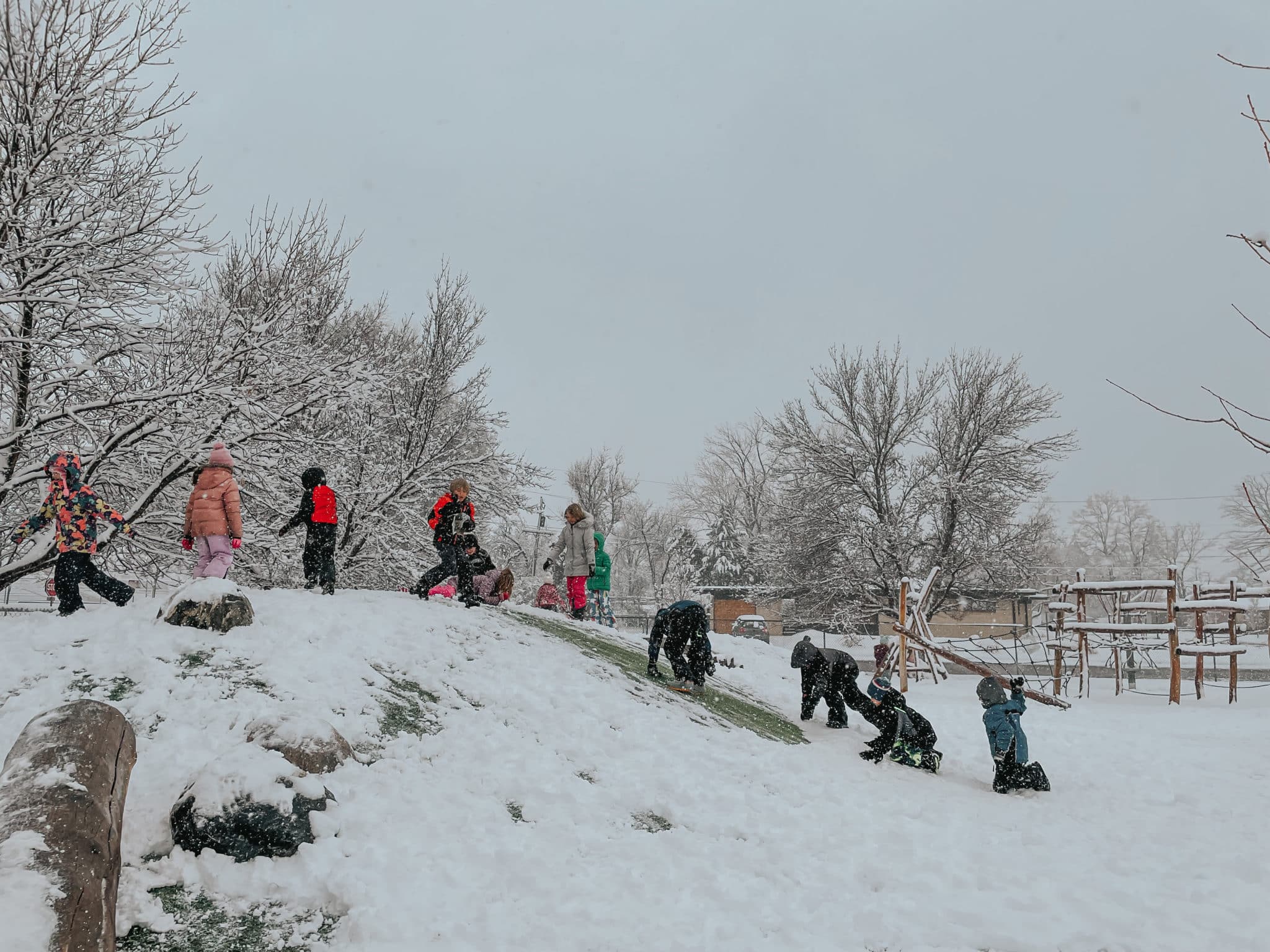
And of course we make plenty of room for play during outdoor recess in all seasons! Free play in the outdoors is a breath out for our students after taking in an academic lesson - giving room for movement to keep our students engaged and ready to learn.
We are always grateful to be able to soak in the many benefits that nature provides for social, emotional, physical, and academic development.
Sustainability Corner
One of the goals of The Denver Waldorf School Parent Council for the 2022/2023 school year is to focus on sustainability at DWS. We have started this blog series to let our wonderful parent community know about sustainability efforts under way, spotlights on best practices or student stars who are making a difference, and sharing articles or tried-and-tested, eco-friendly recipes to spice up your meatless Monday.
In the works at DWS...
- The parent council is committed to increasing sustainability education, awareness, and engagement among our student population.
- Currently, the parent council is brainstorming age-appropriate ideas and projects to implement in the classrooms from ECE through high school.
- In addition to these efforts, we have installed a snack wrapper Terracycle bin by the front office to reduce plastic waste from lunches and snacks.
Pin-worthy ideas
This is a great article about more sustainable options for the holidays: https://www.smallfootprintfamily.com/eco-friendly-holiday-tips
Below is a great, plant-based Earth bread recipe that is a family favorite. I hope you’ll have a chance to test it out and let me know your thoughts. Enjoy!!
Do you have an idea, recipe, or article to share? Would you like to bring attention to a Sustainability Student Star? Please reach out to Emily Riccio or Jennifer Neeley. We’d love to hear from you!
Nene’s Earth Bread (Makes 1 Loaf)
Note: I use almond flour to keep the carbs down for our diabetic daughter, but if you prefer a gluten free or traditional flour, omit the oat flour or the bread will be too dry/dense.
1/2 cup oat flour
1 cup almond flour
1/2 cup brown sugar or honey
1/2 tsp baking soda
1/4 tsp baking powder
dash of salt
1/4 tsp cinnamon
1/8 tsp ginger
1/16 tsp cloves
1 cup grated zucchini
1/4 cup grated carrots
1/4 cup mashed banana
1/4 cup applesauce
1/4 cup coconut oil
2 eggs
1 tsp vanilla
Directions:
Set oven to 350.
Mix flours, sugar, salt, baking soda, powder and spices.
In the bowl of your mixer, been the grated veggies and fruits, oil, eggs and vanilla.
Slowly add the flour ingredients to the veggies/fruit ingredients.
Mix until incorporated.
Pour into a well greased or parchment lined bread pan and bake for 50 minutes to 1 hr or until toothpick inserted comes out clean.

Understanding the New Test-Optional Admissions Environment
Do you remember studying for and taking your SAT or ACT tests? Or maybe you even took both?? Do
you believe this is your student’s ‘ticket’ to college? The college admissions landscape has completely
shifted over the past three years, and decisions about test requirements will continue to evolve over the
next few years as well.
Even prior to the pandemic, many colleges and universities were downplaying the role of test scores in
their admissions process. Selective and highly selective colleges and universities were using the test
score more as ‘validation’ for a student’s transcript – did it confirm the message coming through the
transcript? Many admissions counselors reported that if the transcript was good, the test score only
verified that, but that a lower test score didn’t necessarily reduce a student’s chance of being admitted.
As a result of access issues during the pandemic (test site closures, school closures, etc.), the vast
majority of colleges and universities declared admissions would be 'test-optional' as a way to de-stress
the students who were preparing applications. If a student had access to testing, and felt their score
represented them well, they could include it as part of their application. If they did not include a test
score, their application was reviewed without it, and not penalized in any way. Some colleges and
universities took this opportunity to change policies for good. Others have taken a year-by-year
approach. And some have committed to it for at least five years, so they can assess the data as these students
move through their programs, before making a final decision. A small handful of colleges were already
test-optional, or test-blind (meaning they won’t look at test scores even if they are submitted).
As such, our students now have MANY more, and wonderful, options for higher education to choose
from which do not require test scores as part of the application process. This currently includes all public
universities in the state of Colorado after a bill was passed in 2021 to remove the requirement. So,
should they prepare for and take a test at all?
While the admissions process has shifted in this direction, there are still many scholarship opportunities
that DO require a test score. Also, there are a few states (Florida, for example), and specific colleges and
universities that still require a test score for admission (like MIT, for example).
In the US, every college and university that accepts test scores accepts either the SAT or the ACT. There
is no longer a need for students to prepare for both - they are different enough from each other that
preparation for one does not equal preparation for both. Additionally, the SAT has announced that
starting in March 2024, the SAT will only be offered in a digital format. It is said to be simpler, take less
time and adapt to the student taking the test, resulting in a score that is comparable to the current
version. This means that our current ninth and tenth grade students who take the SAT their junior year
will take the digital version. And next year’s PSAT will also be digital.
Usually, our recommendation at DWS is that students try both a practice SAT and ACT to see if one feels
more ‘natural’ to them. And then, choose either ACT or SAT, and prepare for that test. International
students usually need the SAT, and some majors, like engineering, prefer the SAT. Otherwise, students
really do have a choice. And now that choice includes whether to take a test at all.
As a family, it is important to weigh the investment of time and energy (and perhaps money) in
preparation with the potential outcome. For many more students than ever before, this results in a
decision not to take either test (especially for those students who are negatively impacted in a test
environment). Some students choose to take one to see how they do, and keep options open, but may
choose to not submit scores to individual colleges. Others who do well on this type of exam do take it,
and in some situations, it opens additional doors for them.
If your student opts to take either the ACT or SAT, we recommend they prepare during their junior year,
and take their first attempt in the spring of junior year. If they are happy with their score, they can be
done at that time. Most of our students who opt to take SAT or ACT will continue to prepare after the
first sitting and take it again during the summer or early fall. Experience has shown that scores do not
improve much after the third attempt. Most students are motivated by their first score to prepare
differently and improve their score the second sitting. Remember that these tests are designed to be
taken at the end of their junior year.
If you have questions, or would like to discuss your student’s individual situation, please reach out to
Laura Shope, our Next Steps Counselor, who can help you understand the considerations as you make
your final decision. The bottom line is that the role of standardized tests in college admissions is shifting,
and now students have more options than ever before.