
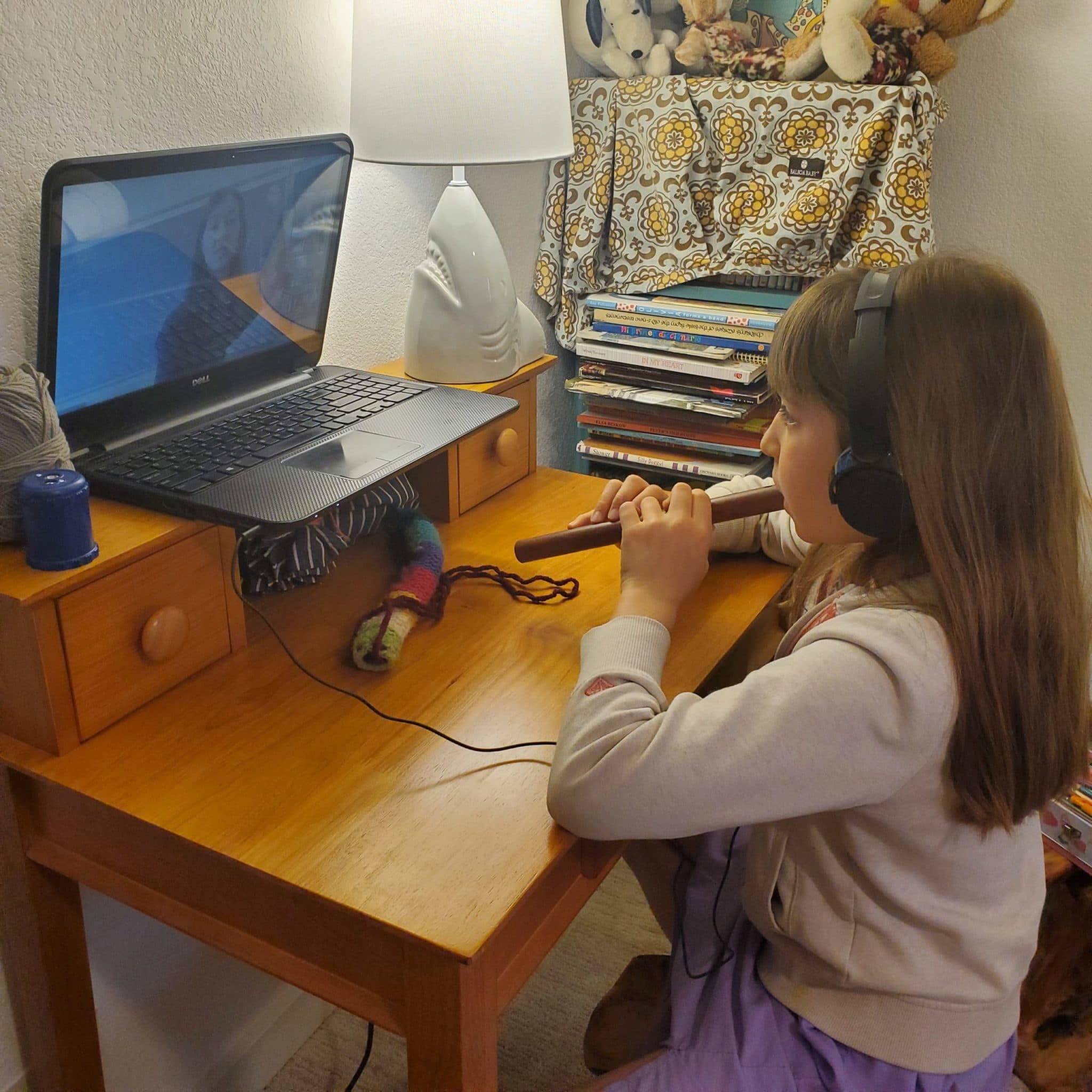
The Denver Waldorf School Remote Learning Video
A peek into our curriculum and remote learning. We never imagined that our school would have to — temporarily — close its physical doors. Classrooms, the festival hall, the playground, the gymnasium — filled with the sound of happy and enthusiastic children — are now silent. But we are not silent. We are adaptive. We are creative. We are resilient. We are The Denver Waldorf School.

Town Hall: April 27, 2020 - WATCH VIDEO
 Date: April 27, 2020
Time: 6-7pm
Location: Zoom or live stream
Denver Waldorf School hosted its first virtual Town Hall with School Director Kelly Church. Viewers tuned in via Zoom or watched the live stream on our website or on our Facebook page!Kelly addressed our community’s most common questions about the road ahead.
Video Recording
For those who couldn’t attend live, enjoy our zoom recording below.
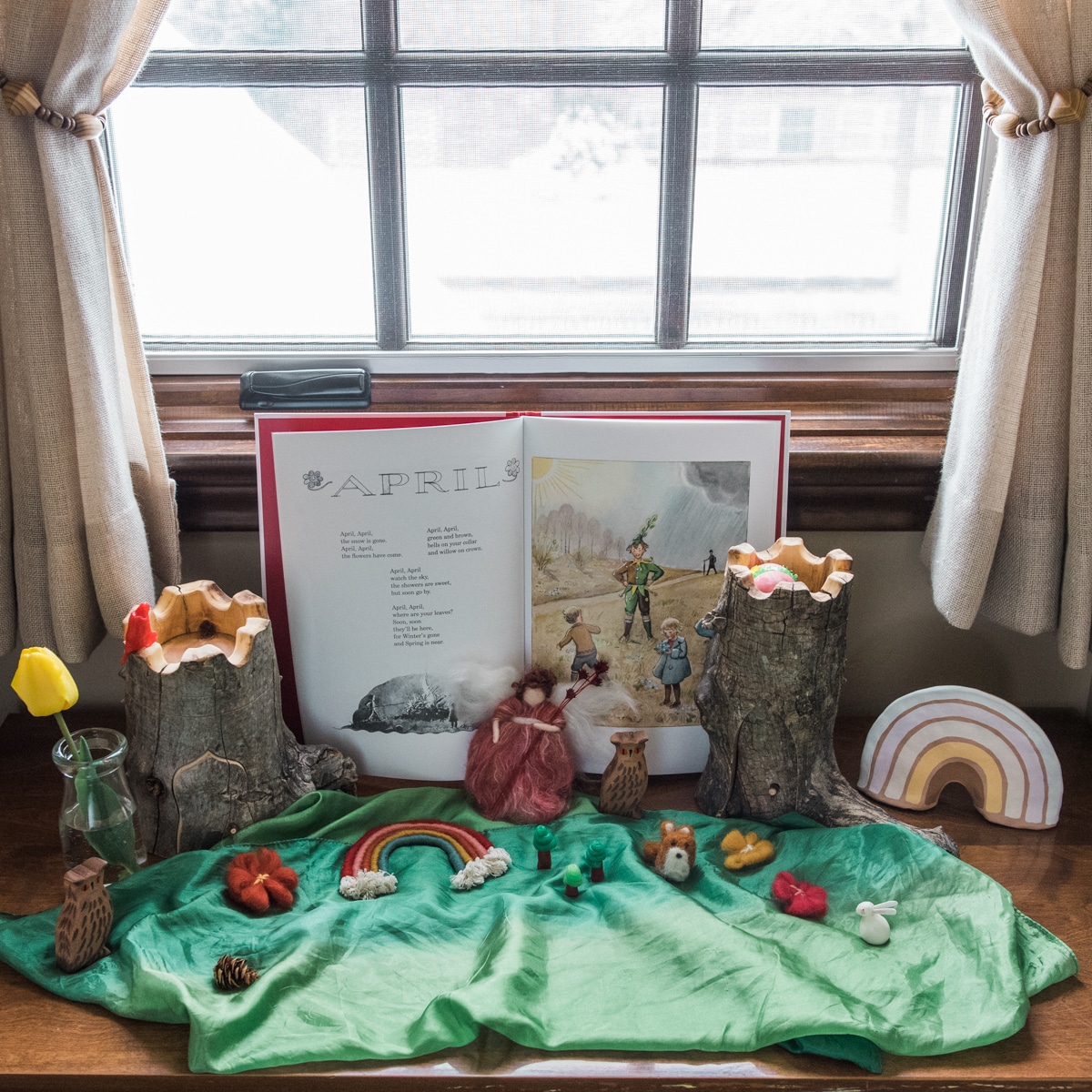
Bringing Waldorf into the Home
There’s no time like the present to revisit the wisdom shared by two DWS moms, Clair Boswell and Bridget Hand, on how to bring Waldorf into home life. During our September parent council meeting, they presented many ideas for establishing an in and out breathing rhythm throughout the day and through the seasons. Establishing a rhythm in our homes gives a sense of security and provides for healthy activity for our children. With suggestions for practical activities and resources to connect as a family and with nature, their presentation is worth revisiting below.
Waldorf in the Home Handout
Audio Recording of Presentation of Waldorf in the Home
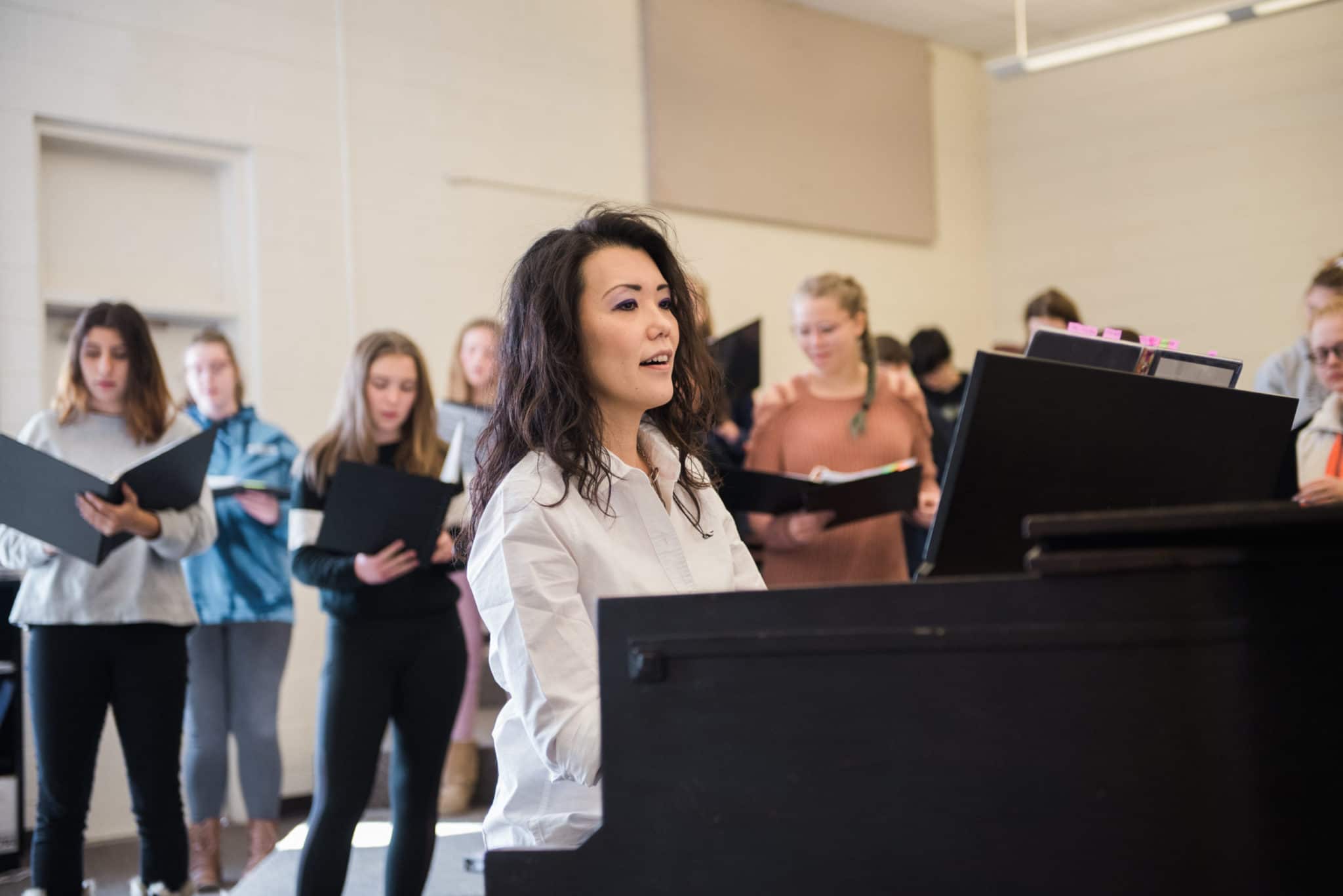
Denver Waldorf Teacher Spotlight - Mariko Murase
When students at The Denver Waldorf School are asked what they love about their education, they often comment that they treasure their close relationships with teachers. They are full of gratitude to be surrounded by caring, dedicated and inspiring teachers.
Our Teacher Spotlight series highlights a new teacher each month. This month, let’s get to know Mariko Murase.
What grades and subjects do you teach?
I teach Middle School and High School Choir – this is my dream job! It is a joy for me to hear beauty come alive in our collective voices.
What is your educational background?
As an undergraduate, I earned a bachelor’s degree from Nagoya University of Arts in Japan for Performance Piano with a minor in Vocal Performance. Upon moving to the United States, I earned a master’s degree in Performance Piano from the University of Denver.
What were the next stops on your journey prior to coming to The Denver Waldorf School?
Upon graduating from DU, I began working as a piano accompanist with The Denver Waldorf School as well as at Shining Mountain Waldorf School, Tara Performing Arts High School, Rocky Mountain Children’s Choir, The DU Men’s Choir, Graland Country Day School, Kent Denver School and Stanley British Primary School.
How many years have you taught at The Denver Waldorf School?
I joined the Music Department at DWS in 2006 and became the Choir Director in time for the 2019-2020 school year.
What drew you to the Waldorf curriculum?
I love how the Waldorf approach focuses not only on the mind, but also on the heart and hands. Music has a way of engaging our hearts that brings our spirits alive while also connecting us to one another in a beautiful way. I also appreciate that music is an integral part of Waldorf education from the very beginning of a child’s journey. And it’s not just in the music room that you hear music – it’s everywhere! Wander through our hallways and you’ll hear singing, wooden flutes and string instruments adding warmth and culture to our students and our community.
What is your teaching philosophy and approach?
When it comes to teaching music, it is important to me that my students are exposed to a wide variety of genres and musical styles as artistic diversity is essential for creating both an aesthetic and cultural perspective. Additionally, it is important to remember that it takes time and discipline to accomplish something meaningful in class. Put simply, if you want to be good at it, you must work at it. However, it’s just as important to enjoy the experience – we try to have a lot of fun in class together!
The Waldorf philosophy of education focuses on the whole child. What does this mean to you?
This means going beyond academic pursuits and thinking more holistically about a student’s development. That is, inspiring the students’ natural creativity and imagination is essential – not just in music or art, but in all areas of learning. To learn not only how to think critically, but to also feel and act with care, creativity, compassion and enthusiasm.
What makes The Denver Waldorf School unique?
DWS goes above and beyond to create a supportive environment for students and families at every developmental phase of a child’s learning, from nursery school through high school.
This year has been a wonderfully positive experience for me and I feel grateful that I get to spend my days in such a passionate community of students, colleagues and parents.

To see our High School Choir in action, click here to listen to the National Anthem performed at our High School basketball game!

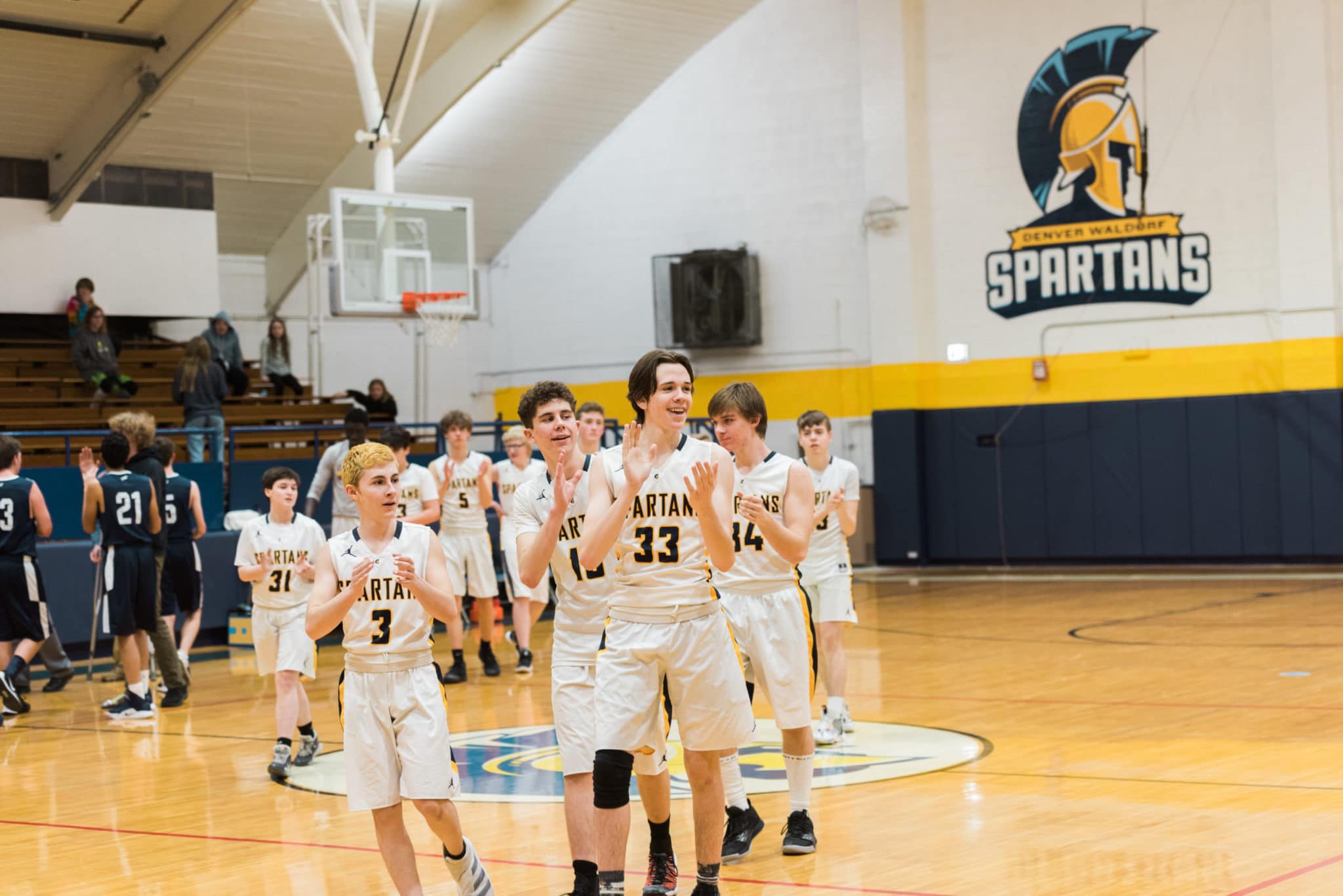
Success in Sports
“Success is the peace of mind which is a direct result of self-satisfaction in knowing you did your best to become the best you are capable of becoming.” – John Wooden, Hall of Fame basketball coach and sports philosopher.
Coach John Wooden won ten NCAA basketball championships and yet, he famously never urged his players to win. Instead, he focused on improving skills, cultivating teamwork and instilling a championship spirit in every practice and every game. He helped his players become the best they were capable of becoming.
In a way, Waldorf athletics follows the John Wooden philosophy of sports. In a youth sports culture dominated by a win-at-all-costs mantra, Waldorf recognizes that its student-athletes have embarked upon a journey of growth and development that supersedes wins and losses. Waldorf’s coaches seek to develop the whole athlete by valuing growth in individual skills, championing teamwork and emphasizing the joy of sport.
Winning is a byproduct of doing things the right way. A loss is, not a failure, but an opportunity to learn. Waldorf’s student-athletes meet victory and defeat with equanimity and grace—traits that will serve them well in the broader world, on and off the athletic field.
An example of this broader movement is Norway- it has adopted the Children’s Rights in Sport charter which focuses on the “joy of sport for all” while forbidding excessive training and even scorekeeping before age 11. Norway’s charter simply states, “Children are engaged in sports because they enjoy it. Together with their friends they have experiences and learn lessons that will last them a lifetime. This is the foundation that all coaches, managers and parents must safeguard and develop further.”
Youth sports should not be adult-centered endeavors with an intense focus on winning at all costs. An emerging body of research suggests that, not only is the adultification of youth sports detrimental to young athletes’ happiness and well-being, but also may derail their long-term success—that is, their ability to become the best they are capable of becoming. Let them play, and enjoy the success along the way!
1st Team – Aly Sakho
2nd Team – Dylan Quinn
Honorable Mention – Wil McHenry
Coach of the Year – Michael Quinn
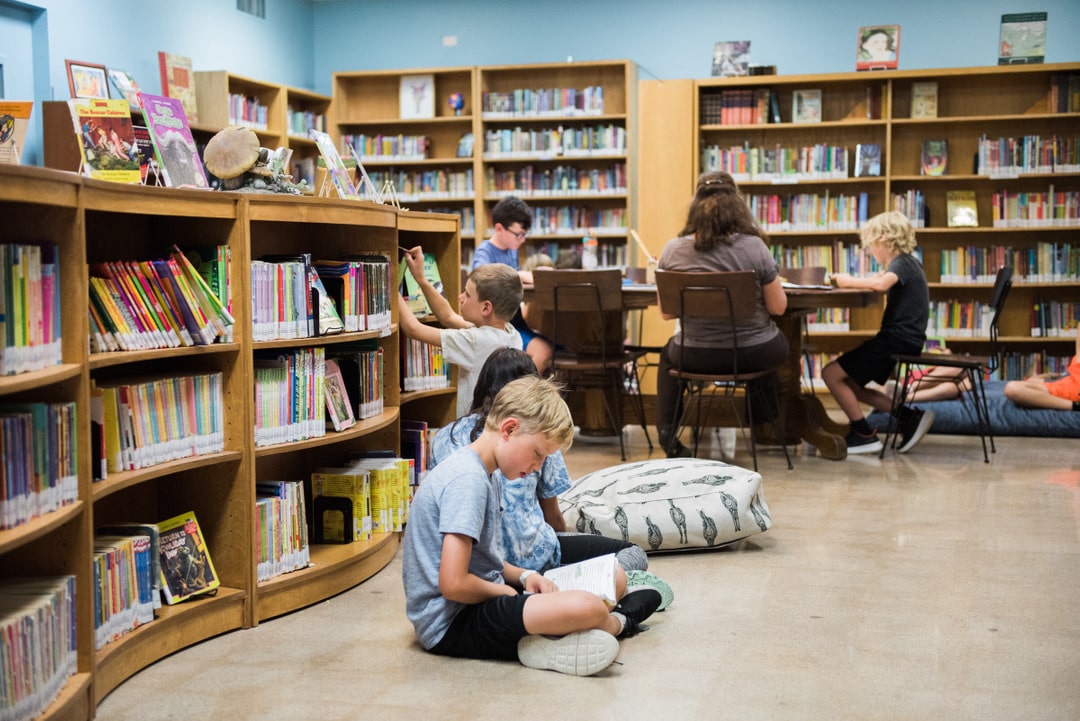
Wisdom of Waldorf - Benefit of Books
This week’s article is about a business that started in response to research demonstrating the connection between reading and being read to or told stories and brain development and the detrimental effects of screen time on the brain. From the article –
“The science we are seeing with screens and kids brains is quite frightening. The exact same organized white matter we see in brains of kids who are frequently read to turns into chaos with screens and devices. It’s almost the exact opposite effect. These language centers are crucial to support success in school, and replacing books with screens may put your child at a massive educational disadvantage. At this point, screens are a huge risk we’re taking with new generations.”
Research on brain development continues to show the value of storytelling especially in those early years. When the child hears a story, their brain is engaged in imagining the characters and landscapes. This activity of imagining supports brain development that is necessary for the ability to do math, compose essays, critical thinking and many of the things we hope our children’s education will provide. The simple act of storytelling, which is so much a part of Waldorf education, is vital to healthy development.
– Sandra Easter, PhD
Wisdom of Waldorf is shared weekly via our Facebook page, connect here to follow with more wisdom!
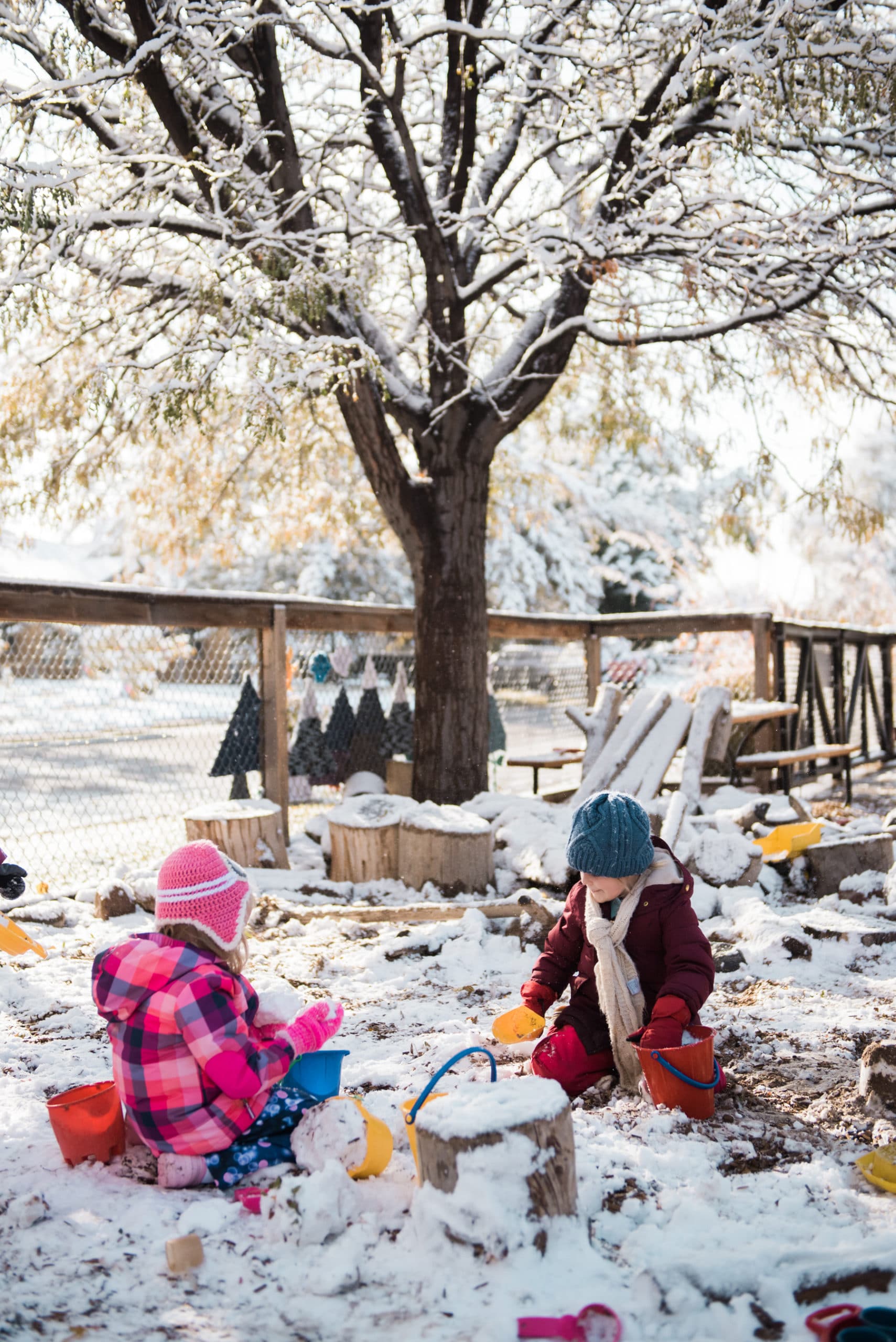
Wisdom of Waldorf - The Value of Play
In the last few decades there’s been a greater emphasis on academics starting in preschool. This has resulted in more and more testing and teaching geared toward those tests. The intentions of this approach were good ones. However, in Western Australia teachers recognized that this way of teaching was leading to increased anxiety and behavior problems in their students. The teacher’s union has made a bold move to eliminate testing before the age of 8 and to create a play-based curriculum. They’re basing this change on research that demonstrates that play-based learning was better for children in terms of wellbeing, academic outcomes, problem-solving and social skills.
Rather than following the latest trends in education, Waldorf schools have stayed true to the pedagogical principles that are its foundation. One of those is the value of play. Another is to introduce homework and testing gradually and with intention and purpose. Sandra Easter, PhD
Read this week’s Wisdom of Waldorf article here!
– Sandra Easter, PhD
Wisdom of Waldorf is shared weekly via our Facebook page, connect here to follow with more wisdom!
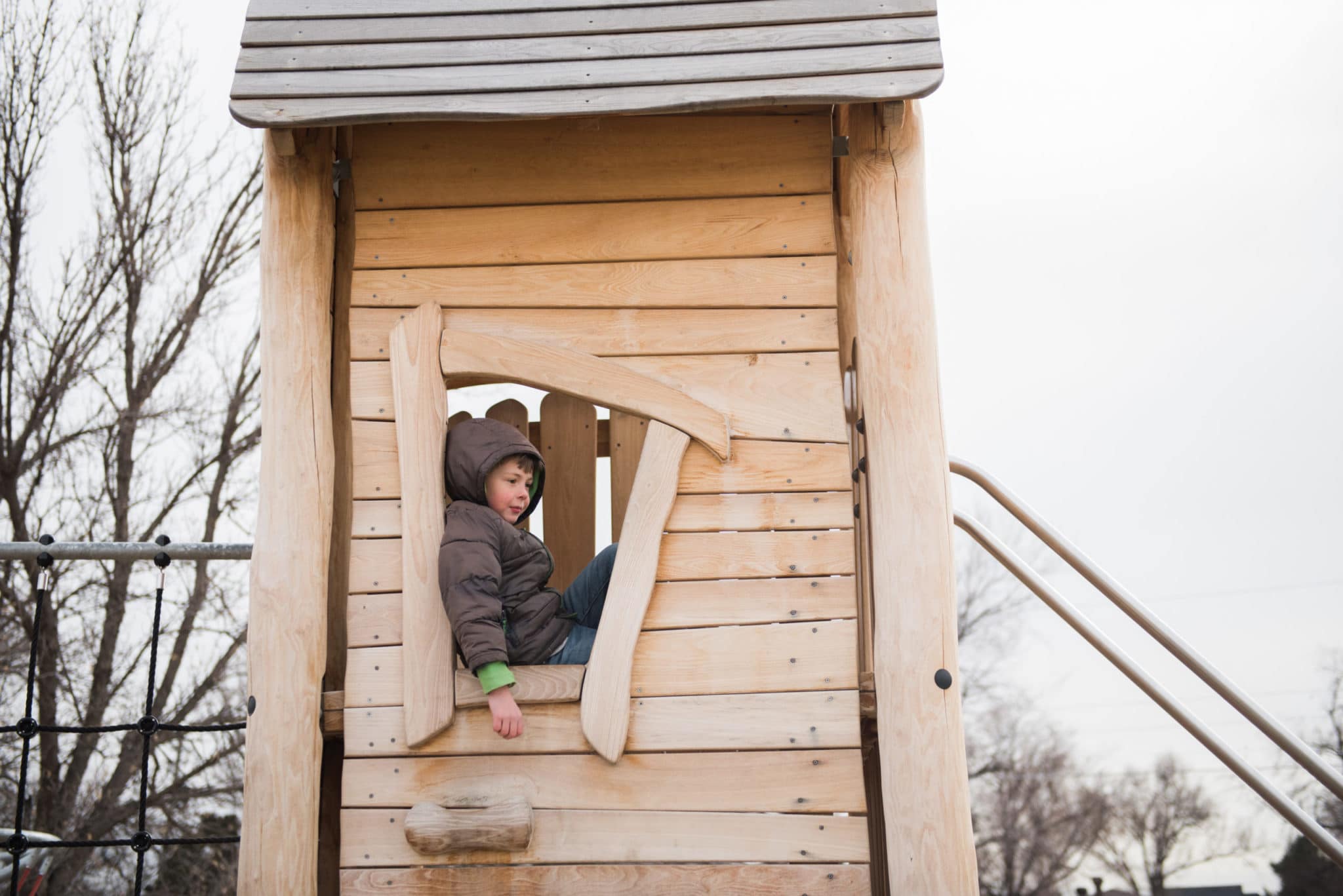
Relaxing Time
A recent visit to the Waldorf forest kindergarten in Saratoga Springs, NY resonates in memory in a special way. The children whose parents have chosen this program have a consciously simplified environment freed of the temptations and distractions of the busier city life not far down the road. The group spends nearly the whole morning out in nature—no matter the weather–except perhaps for the first hour of morning in deepest winter when the air needs an hour to warm above super-frigid temperatures. Children are called upon to develop heartiness and resiliency in meeting the weather, terrain, practical tasks, and social experiences from which our society too often excessively shelters children. These are all important things for us to appreciate in how these experiences benefit the children’s development physically, emotionally, and socially. But we can take these points up at another time because it is something else that stands out so prominently in memory from this visit.
A young three-year old little girl new to the program latched on to my hand as the group of children began the walk along a trail into the woods. The pathway was made of rounded stepping stones; narrow, slightly-elevated boards to give us walking space above the soggy ground below; similar little “bridges” of two parallel boards that would bounce and spring slightly as we walked their length, challenging our balance; uneven ground that could not be avoided; and puddles that just had to be stepped in. We walked along slowly, three-year old legs having a short stride and some insecurity on the tippy rocks. She held my hand for balance until the path became too narrow and we had to walk single-file. Then she went on independently. We set no speed records. And no one minded. The thirty-two children and five adults walked along in little clusters, some faster, some slower. No one hurried the children along. Getting to our destination took as long as it needed. The littlest children were in no way made to feel inadequate or deficient because they could not walk fast or if a foot slipped on a wet rock and muddy, water-proof overalls resulted. Each child was respected for the capacities she had developed so far, knowing that new skills, competence, and confidence grow upon consolidation of what comes before.
But this still is not really the point. What speaks so strongly in memory is that the teachers allowed the children as much time as was needed to walk our little journey. Each child was allowed to do as much independently as she could, no matter how long it took. Expectations were released of how much or how fast things should happen. The day expected less accomplishment because it was so satisfying to complete a few things well.
The little girl moved on to join other children and did not seek my companionship again. She did not need it. She had literally found her feet and her standing with the other children. She had been granted the time to experience what she could accomplish on her own.
We want our children to become confident, independent doers and directors of their own lives. They can, but we adults have to give them the time to find their own strength. We do not need to speed them up but to slow ourselves down and let the children lead us. We will all benefit.
By Nancy Blanning (our learning specialist) as originally published in Lilipoh Magazine
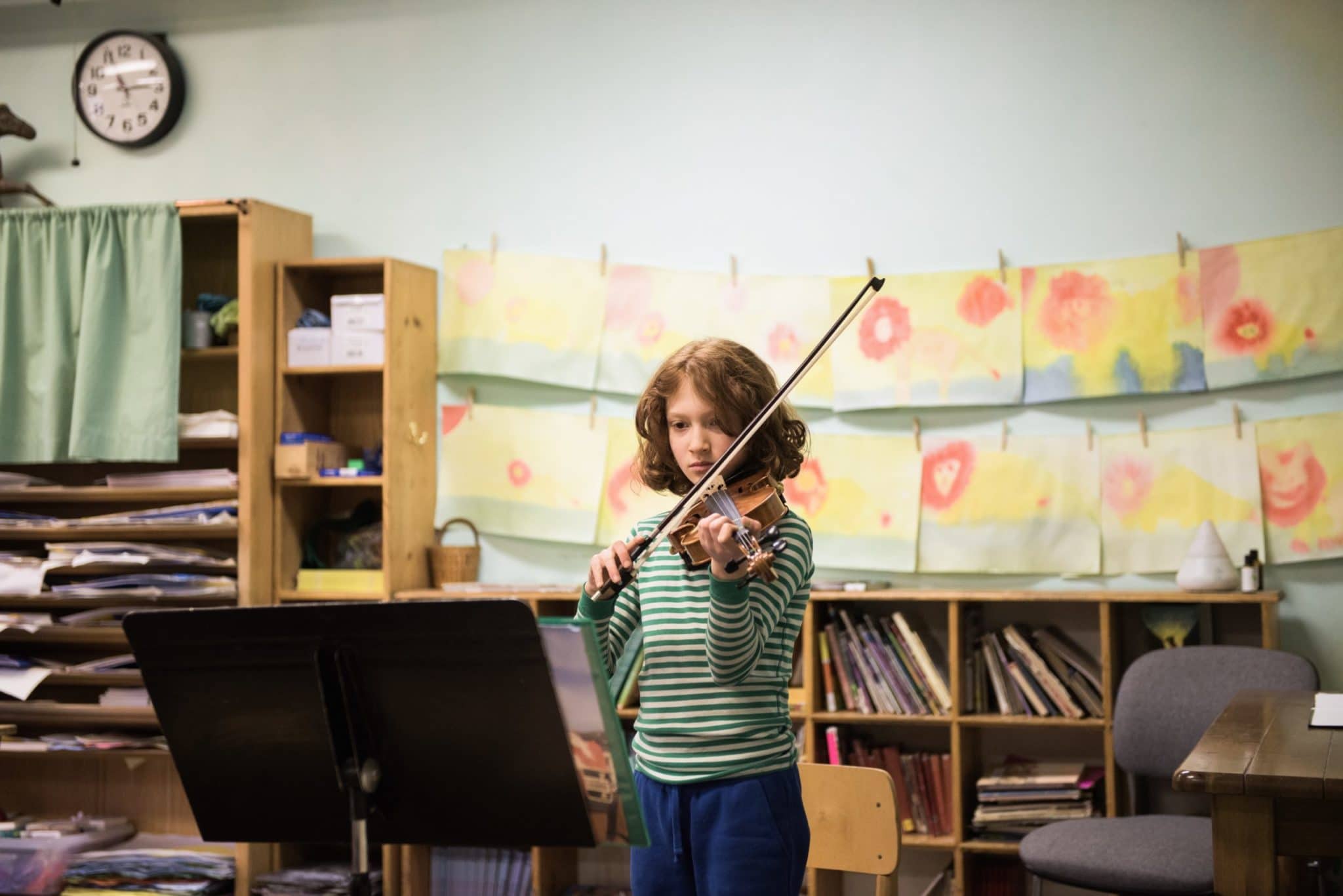
Wisdom of Waldorf - The Value of Music
This week’s article was published in Psychology Today. At a time when music and art are considered unnecessary or tangential to an education that is designed to support these next generations in preparing for the future, the research presented in this article found evidence of positive relationships between school music participation and high school exam scores in English, mathematics, and science.
Rather than tangential, music has been and is an integral part of the Waldorf curriculum from pre-school through high school. Not because it’s presumed that every student will pursue it as a career, but for many of the reasons discovered in this research.
– Sandra Easter, PhD
Wisdom of Waldorf is shared weekly via our Facebook page, connect here to follow with more wisdom!
Welcoming Back our Alumni
Great communicators.
Problem solvers.
Good listeners.
Open-minded thinkers.
These are just a few of the traits unique to Waldorf graduates according to alumni from The Denver Waldorf School. To kick off the new year, we welcomed back a panel of our alumni and hosted a discussion featuring graduates from classes spanning 1995 to 2019.
The panel’s composition reflected the diverse interests and talents of Waldorf students—including a Ph.D. candidate in Chemical and Biological Engineering, a student pursuing a Master’s from The Juiliard School, an IT and software engineer, a Waldorf educator and coach, and college students studying subjects ranging from musical theater to chemical engineering to veterinarian medicine to psychology.
Although their individual journeys differ, the panelists pointed to their Waldorf education as an inspiring, confidence-building and mind-opening force in their lives. Waldorf pushed each of them to be “full people” through a diverse liberal arts curriculum, they suggested.
Through its core and elective courses, our school exposes students to disciplines in the arts, sciences, mathematics, literature and poetry, history, fine arts, practical arts, industrial arts, music, movement, world languages, theater and beyond. The graduates noted that this diversity of education endowed them with an appreciation for, not only their chosen profession or studies, but their peers’ paths as well.
In addition to crediting diverse fields of study with their citizen-of-the-world outlook, the graduates also identified Waldorf’s small class sizes as a strength that gave them the confidence to find their niches in the bigger world.
One graduate explained that he knew how to create strong bonds with his peers and teachers, and therefore he confidently headed into a much larger college. Another panelist noted that her college professor expressed her appreciation for Waldorf graduates in her classes for their ability to think critically and communicate effectively. The small size of Waldorf schools— with a focus on building strong relationships within the student body—prepared these students to thrive.
The students’ work outside the classroom also prepares Waldorf students to find their place in the broader society and contribute to their communities. Beginning in third grade, Waldorf classes experience annual overnight trips, sometimes to learn from Mother Nature’s goodness, sometimes to be in service to others.
Slowly but surely, the class trips move farther away from Denver, from Colorado, and even from the United States, and all the way to transformational senior trips to Australia, Costa Rica and Peru (to name a few). These trips build community, at home and abroad, and allow students to see themselves as citizens of the world.
With an education that celebrates tradition, provides a rhythm of thinking, feeling and willing, and encourages students to experience the curriculum deeply as tools with which they can build their lives- our alumni shine brightly in the broader world. We always feel grateful to welcome them back home to DWS and enjoy hearing of their journeys, seeing their lives in motion.
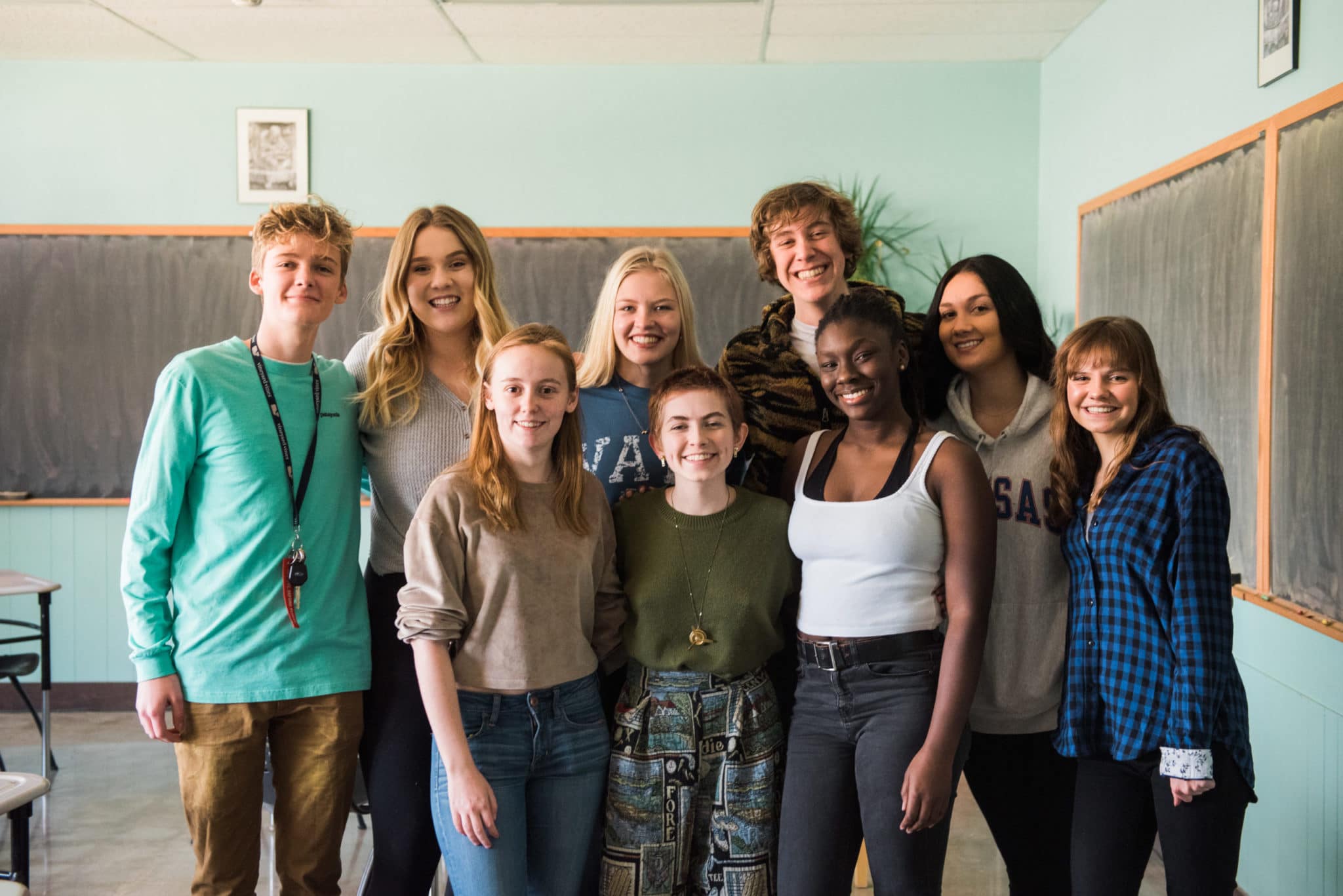
Members of the Class of 2019 gather with a couple old friends from the Class of 2020, sharing wisdom of their days beyond DWS!