
Relaxing Time
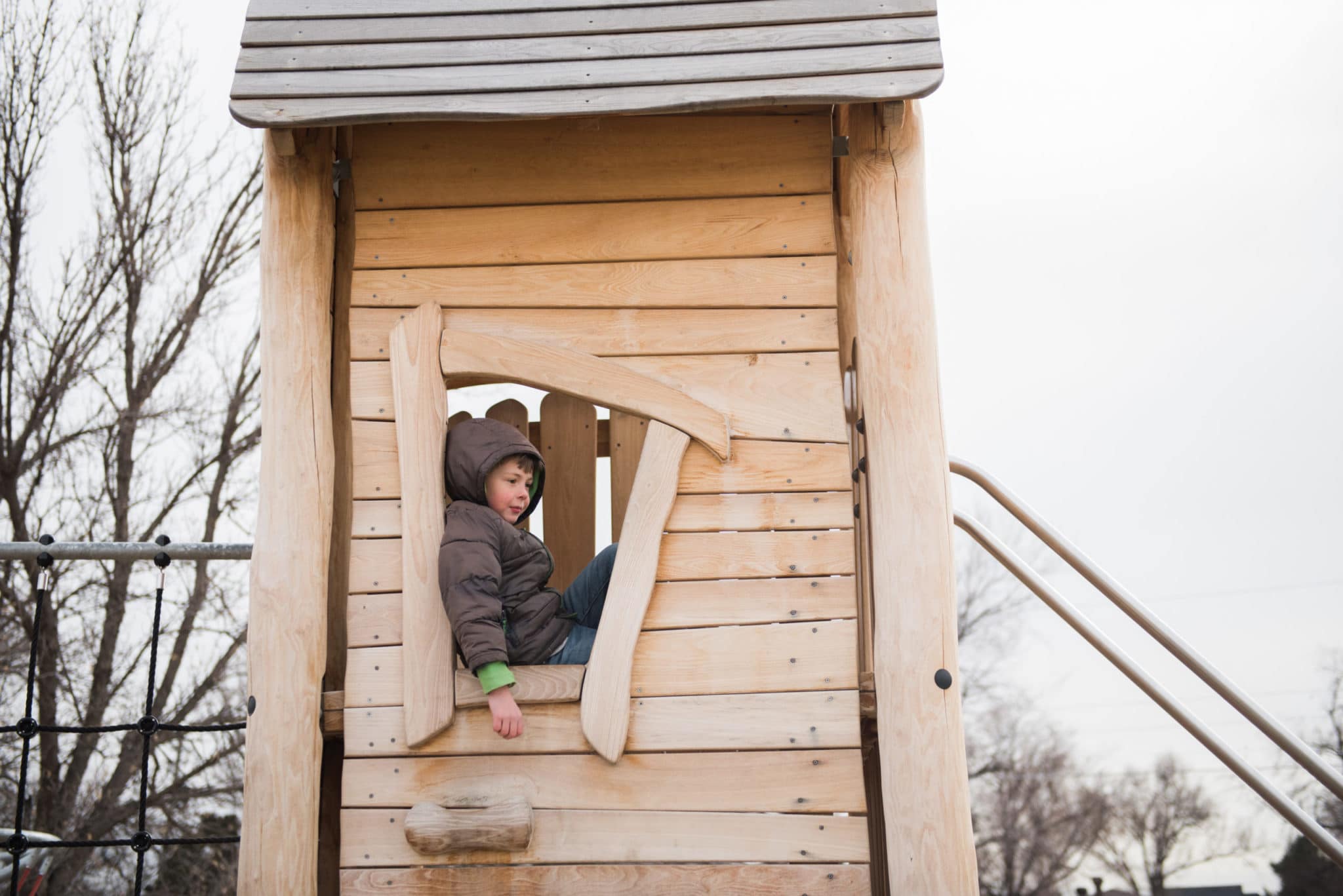
A recent visit to the Waldorf forest kindergarten in Saratoga Springs, NY resonates in memory in a special way. The children whose parents have chosen this program have a consciously simplified environment freed of the temptations and distractions of the busier city life not far down the road. The group spends nearly the whole morning out in nature—no matter the weather–except perhaps for the first hour of morning in deepest winter when the air needs an hour to warm above super-frigid temperatures. Children are called upon to develop heartiness and resiliency in meeting the weather, terrain, practical tasks, and social experiences from which our society too often excessively shelters children. These are all important things for us to appreciate in how these experiences benefit the children’s development physically, emotionally, and socially. But we can take these points up at another time because it is something else that stands out so prominently in memory from this visit.
A young three-year old little girl new to the program latched on to my hand as the group of children began the walk along a trail into the woods. The pathway was made of rounded stepping stones; narrow, slightly-elevated boards to give us walking space above the soggy ground below; similar little “bridges” of two parallel boards that would bounce and spring slightly as we walked their length, challenging our balance; uneven ground that could not be avoided; and puddles that just had to be stepped in. We walked along slowly, three-year old legs having a short stride and some insecurity on the tippy rocks. She held my hand for balance until the path became too narrow and we had to walk single-file. Then she went on independently. We set no speed records. And no one minded. The thirty-two children and five adults walked along in little clusters, some faster, some slower. No one hurried the children along. Getting to our destination took as long as it needed. The littlest children were in no way made to feel inadequate or deficient because they could not walk fast or if a foot slipped on a wet rock and muddy, water-proof overalls resulted. Each child was respected for the capacities she had developed so far, knowing that new skills, competence, and confidence grow upon consolidation of what comes before.
But this still is not really the point. What speaks so strongly in memory is that the teachers allowed the children as much time as was needed to walk our little journey. Each child was allowed to do as much independently as she could, no matter how long it took. Expectations were released of how much or how fast things should happen. The day expected less accomplishment because it was so satisfying to complete a few things well.
The little girl moved on to join other children and did not seek my companionship again. She did not need it. She had literally found her feet and her standing with the other children. She had been granted the time to experience what she could accomplish on her own.
We want our children to become confident, independent doers and directors of their own lives. They can, but we adults have to give them the time to find their own strength. We do not need to speed them up but to slow ourselves down and let the children lead us. We will all benefit.
By Nancy Blanning (our learning specialist) as originally published in Lilipoh Magazine
Wisdom of Waldorf - The Value of Music
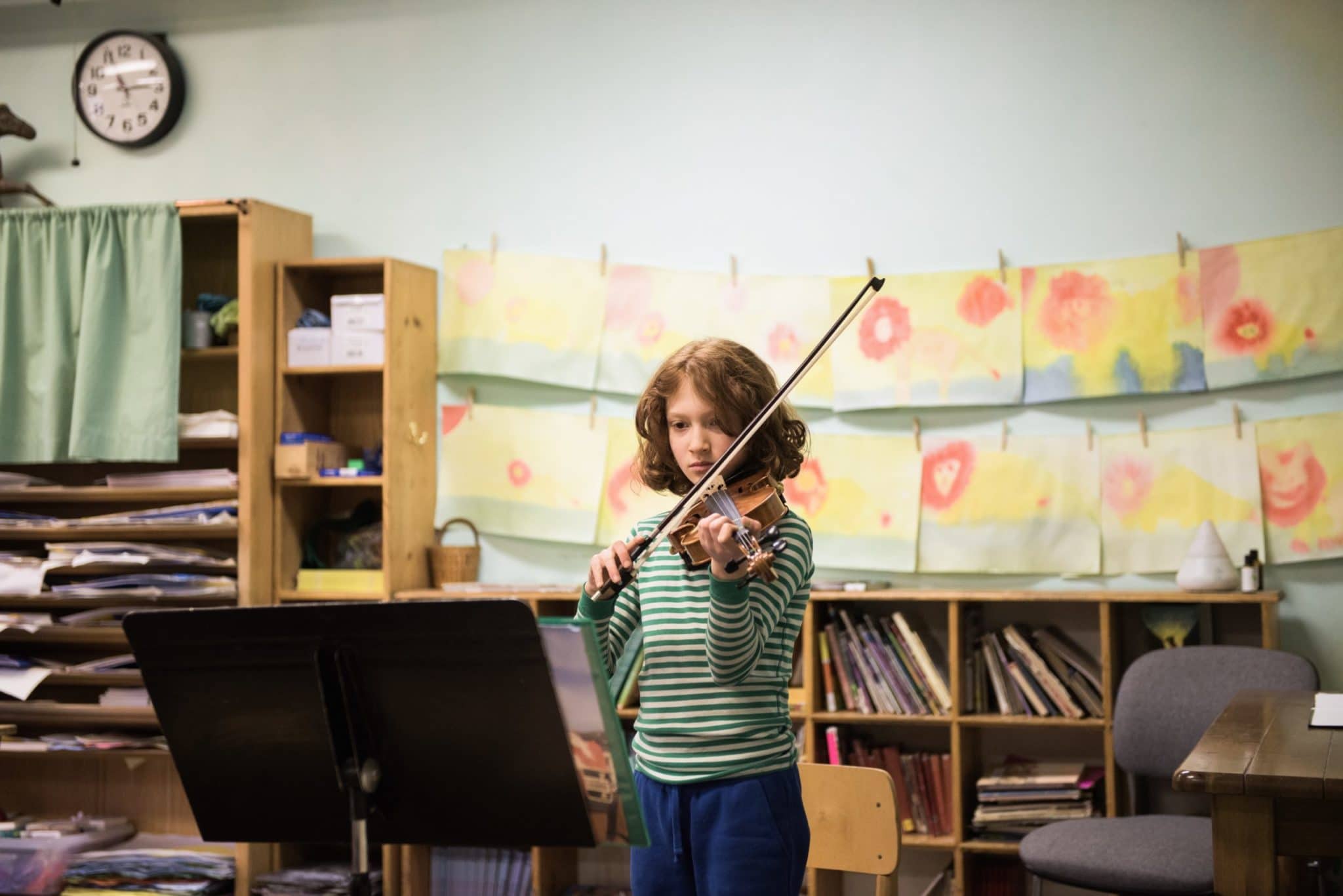
This week’s article was published in Psychology Today. At a time when music and art are considered unnecessary or tangential to an education that is designed to support these next generations in preparing for the future, the research presented in this article found evidence of positive relationships between school music participation and high school exam scores in English, mathematics, and science.
Rather than tangential, music has been and is an integral part of the Waldorf curriculum from pre-school through high school. Not because it’s presumed that every student will pursue it as a career, but for many of the reasons discovered in this research.
– Sandra Easter, PhD
Wisdom of Waldorf is shared weekly via our Facebook page, connect here to follow with more wisdom!

Wisdom of Waldorf - The Benefits of Handwriting
This week’s article is about the benefits of handwriting.
Virginia Berninger, a professor emerita of education at the University of Washington, states that “when we write a letter of the alphabet, we form it component stroke by component stroke, and that process of production involves pathways in the brain that go near or through parts that manage emotion.”
Handwriting is integral to Waldorf education. Form drawing using hands, feet and the whole body is the first step in becoming familiar with the basic components of letters as well as the basic forms that are implicit in even the most complex geometric forms. This is not only pedagogically sound, it supports brain development.
https://elemental.medium.com/bring-back-handwriting-its-goo…
– Sandra Easter, PhD
Wisdom of Waldorf is shared weekly via our Facebook page, connect here to follow with more wisdom!
Wisdom of Waldorf - The Importance of Breathing Out
This week’s article is about the way the “busyness” that is so characteristic of our modern culture affects our ability to be creative, and, our overall quality of life.
Stanford’s Emma Seppälä writes:
“The idea is to balance linear thinking—which requires intense focus—with creative thinking, which is borne out of idleness. Switching between the two modes seems to be the optimal way to do good, inventive work.”
Waldorf education, from pre-school through high school, recognizes this natural rhythm of breathing in and breathing out, of focused thinking and daydreaming, of intellectual rigor balanced with play. In this busy, demanding time of year, thought it might be worthwhile to bring attention to the value of breathing out.
~ Sandra Easter, PhD
Wisdom of Waldorf is shared weekly via our Facebook page, connect here to follow with more wisdom!

Wisdom of Waldorf - Impact of the Arts on Learning
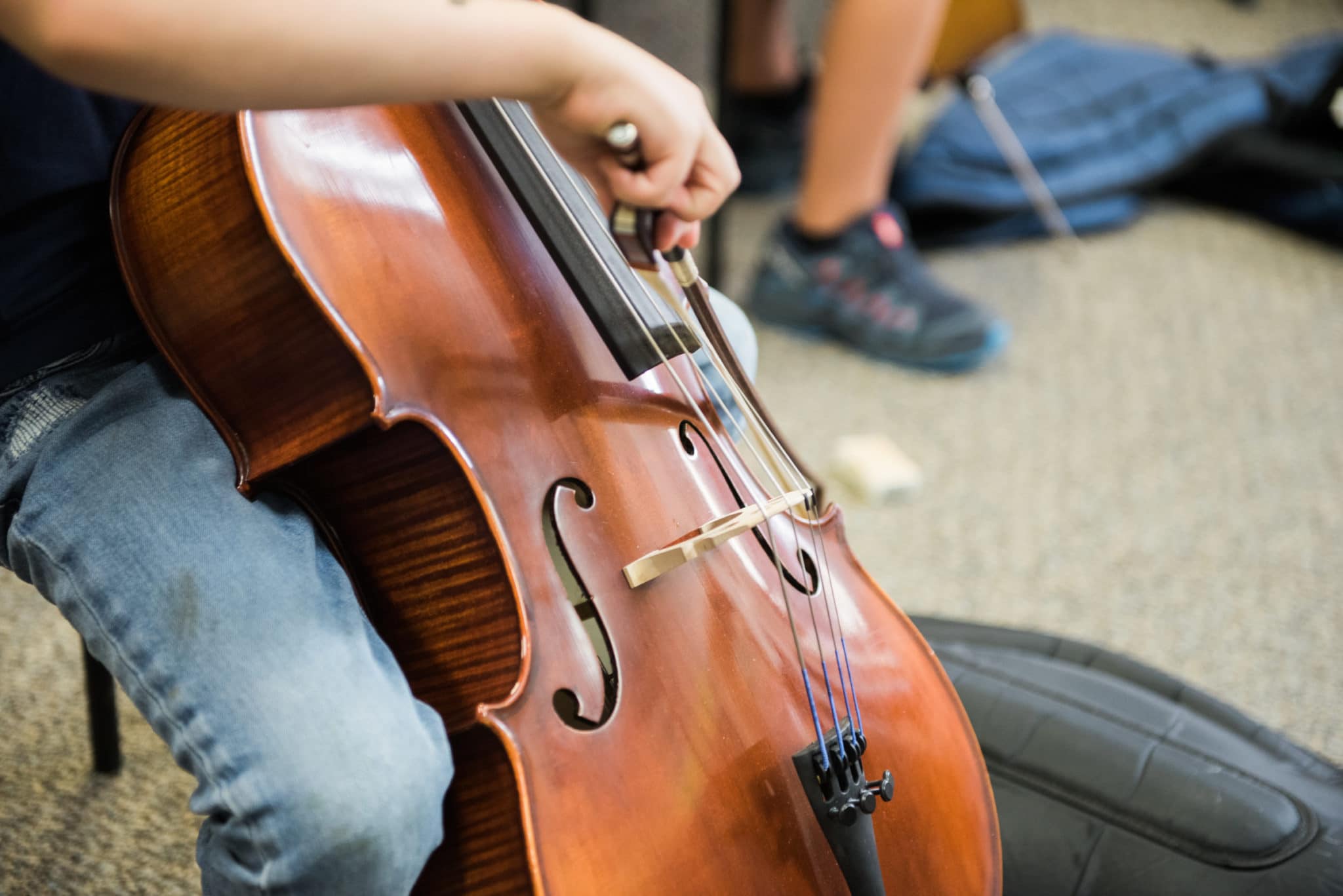
This week’s post references a study that investigated the impact of the arts on learning. One of the questions and concerns many parents have about Waldorf education is the prominence of the arts. This recent research supports what’s been integral to the Waldorf pedagogy from its inception. The following quote sums it up.
“Arts learning experiences benefit students in terms of social, emotional, and academic outcomes,” write researchers Dan Bowen of Texas A&M and Brian Kisida of the University of Missouri.
Sandra Easter, PhD
Wisdom of Waldorf is shared weekly via our Facebook page, connect here to follow with more wisdom!
Why We Play - Community & Growth through Sports
In her inspiring book, Norwich: One Tiny Vermont Town’s Secret to Happiness and Excellence, Karen Krouse sets out to answer a simple question: how has one small town in Vermont produced so many resilient, confident, and happy Olympic-level athletes?
The answer may surprise you. It’s not by pushing kids to train harder at a young age; it’s not about embracing hyper-competitiveness; it’s not about making kids specialize in a single sport. Rather, it’s about making sports a fun, communal experience. Krouse explains, “the parents of Norwich learned through trial and error the best methods of nourishing happy athletes: by valuing participation and sportsmanship, stressing fun, community, and self-improvement.”
In many ways, Waldorf education embraces the wisdom set forth in Norwich. Molding an elite athlete is not the end goal; rather, it is a byproduct of a healthy relationship to sports and movement. Beyond just winning, development of character is the emphasized result in the athletic arena.
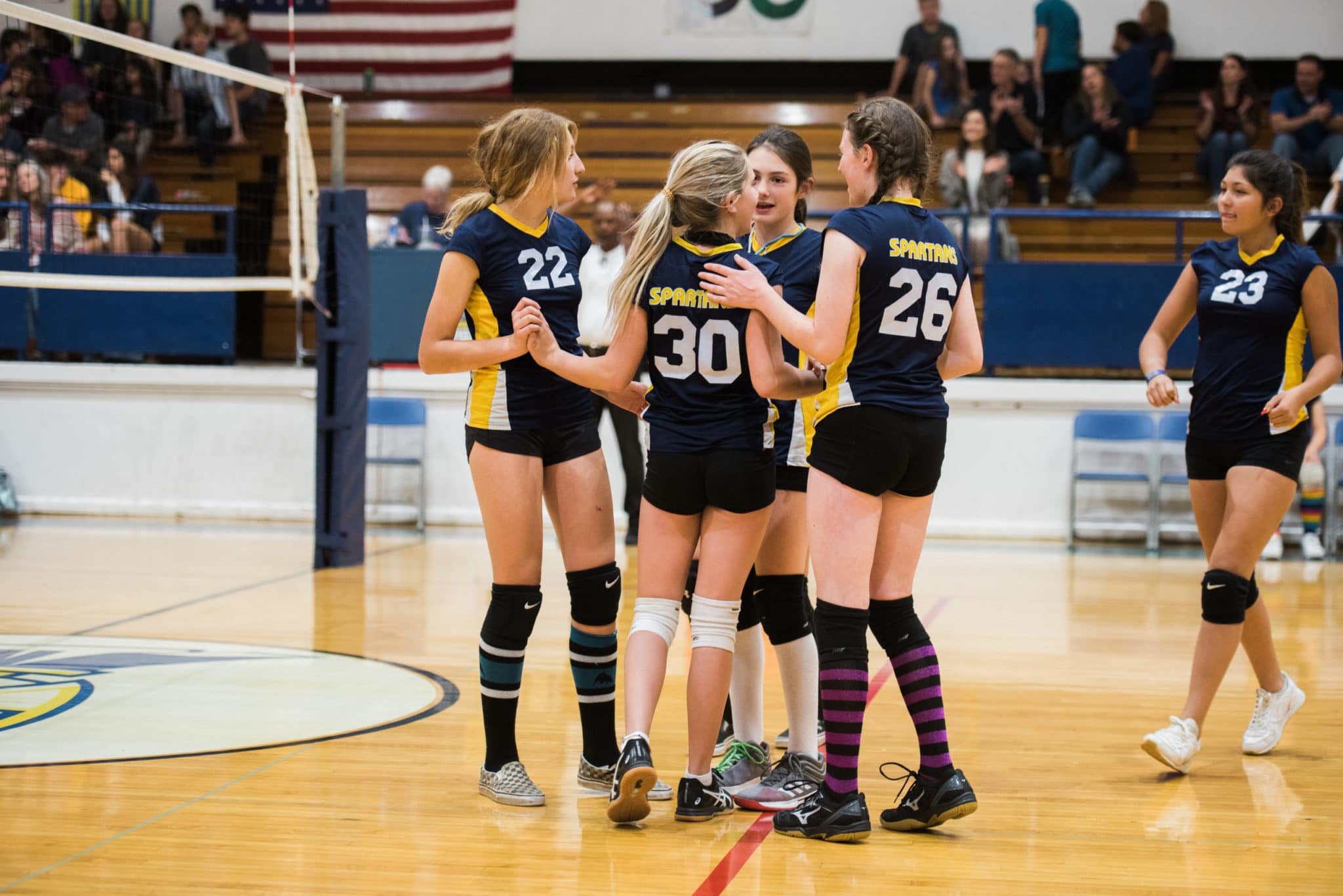
Whether it’s a young student working on balance and coordination through Circus Club, a middle school student learning the value of teamwork on the volleyball court, or a high school athlete flying down the Ultimate Frisbee field, the Denver Waldorf School promotes community, growth, and sportsmanship through athletics. There are no tryouts or cuts. Instead, each athlete is inspired to reach their highest potential, contributing to the team through enthusiasm, hard work, grace, and resilience. Every athlete has their place on our teams.
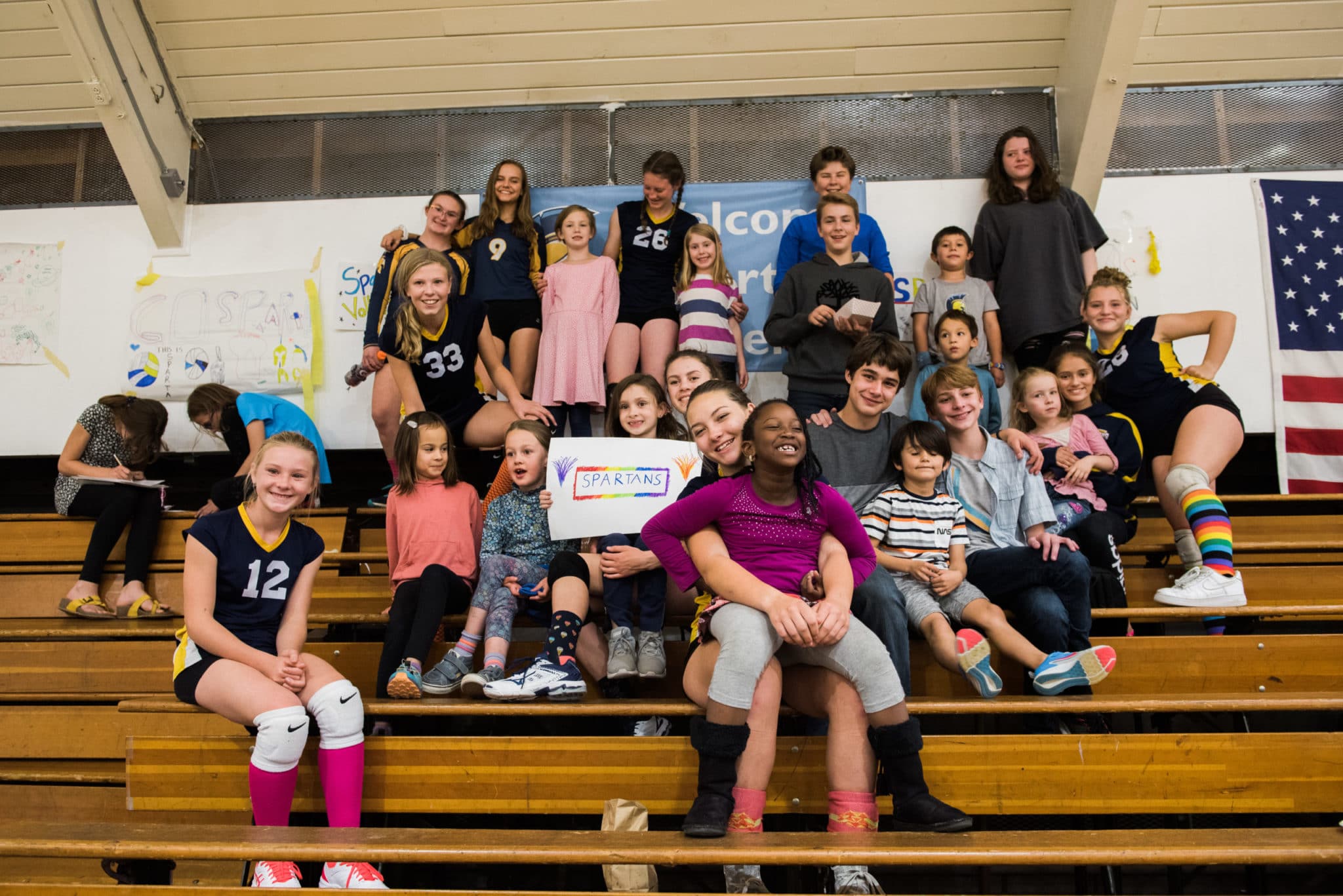
These lessons begin early on. For example, the first graders recently attended a volleyball game to cheer on their eighth grade buddies. With impressionable eyes upon them, the eighth graders displayed poise, confidence, and grace on the volleyball court. The athletes came together in a circle, connected with their arms around each other, after a tough point — won or lost.
On the court, they supported each other, worked together, and afterwards found their first grade buddies. In a word, they built community—the kind of community where young athletes can flourish and grow.
Holding the Question
“Holding the question.” It’s a phrase you may hear from a Waldorf teacher. But what does this mean?
It’s about waiting to answer the question: who is this person? We ask and answer this question all the time — when we meet a new friend, when we meet a teacher, and when we gather as a family. We are constantly scanning the world around us and answering the question: who are all these people in and around my life?
In Waldorf schools, “holding the question” is especially important because the same main lesson teacher stays with a group of students from 1st through 8th grade. It’s tempting for that teacher to answer the question — “who is this student of mine?” — in the first few weeks of first grade.
The concern is, when a teacher answers the question “who is this person” too soon, that teacher limits the student-teacher relationship. Once defined, it’s difficult for the child to shake his or her label, and it’s difficult for the teacher to see that child with fresh eyes.
And that’s why the idea of holding the question is so important. It’s about allowing the child to show his parents, his teachers, his family, and his friends exactly who he is becoming, slowly and over time. It’s about being patient and resisting the urge — however well-intentioned — to define a child too soon.
We know that the temptation to answer the question is strong. We want to know: who is this precious child of ours? What makes him tick? Who will she grow into? All of our hopes and dreams are mashed up into this one question: who are you?
But, perhaps, we can give our children a great gift: holding the question. Perhaps we can let them show us who they are. Perhaps we can give them the space needed to emerge as their own unique individuals. We can enjoy and celebrate them for who they are today, and love them unconditionally as we journey alongside them.
Take an activity like watercolor painting. One young child may quickly spread all of the colors available at one time, watching them blend together as one. Another may pick one color at a time, slowly watching the colors interact and dance.
But what does that say about our kids? Does it have to say anything? We try to hold the question. They are both expressing themselves in their own ways. Their means of expression may change over time, but we hope their curiosity remains. We don’t want to define their artwork and unwittingly limit who we see them as and what they can become.
In a way, our children are the artists of their own lives. We can’t predict what they’ll paint. We’ll let them create something beautiful. And we’ll be there to share in the joy of their own unique journeys.